In the sprawling, high-energy creative landscape of Lagos, Nigeria, few platforms have commanded the cultural influence of ART X Live. Over the past decade, the event has evolved from a boutique auxiliary component of the ART X Lagos fair into a definitive barometer for the African music industry. With an alumni roster boasting over five billion cumulative global streams, multi-platinum records, and a footprint that spans international festival stages, ART X Live has transcended its initial mandate. It has become a vital nexus where the visual arts and the sonic revolution of the continent intersect, providing a rare, curated space for artistic experimentation that has consistently predicted the next wave of global Afrobeats stardom.
The Genesis of a Cultural Hybrid
Launched in 2016 by Tokini Peterside-Schwebig, the founder of the ART X Lagos fair, ART X Live was conceived during a period of significant transition for the Nigerian creative economy. At the time, the lines between the "high art" world and the commercial music industry were sharply delineated, often functioning in silos that rarely intersected. Peterside-Schwebig, identifying the potential for a symbiotic relationship between these two spheres, sought to build a platform that treated music with the same curatorial rigor applied to fine art.
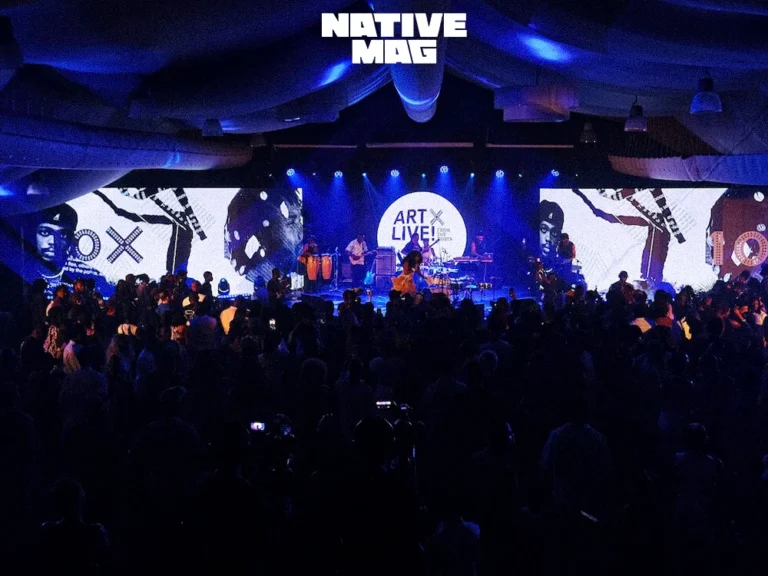
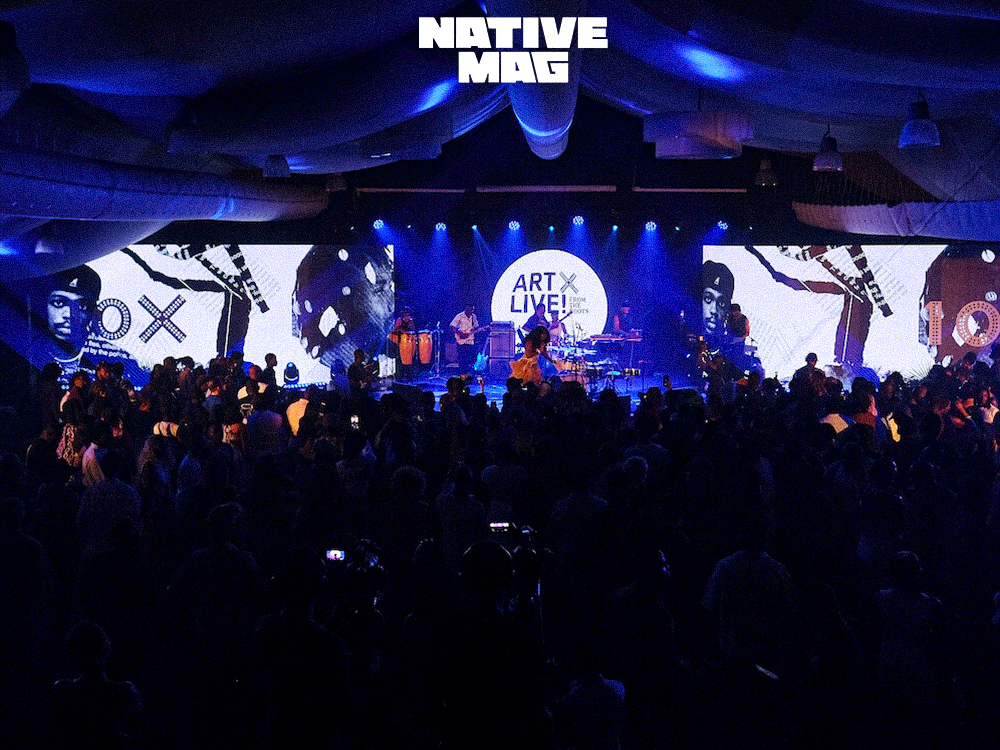
By engaging seasoned music executive Lanre Masha to shepherd the programming, the platform established a reputation for high-quality, intimate live performances. Unlike the high-capacity, pyrotechnic-heavy stadium tours that characterize modern pop music, ART X Live opted for a "less is more" approach. By hosting performances in venues with a capacity of less than one thousand, the platform forced artists to strip away the crutches of heavy production and rely solely on vocal dexterity, stage presence, and live instrumentation. This "heat check" format—a term often used by industry insiders to describe the process of vetting talent before major commercial investments—has allowed talent scouts, magazine editors, and festival programmers to witness the true potential of rising stars in their most raw form.
A Chronology of Artistic Evolution
The trajectory of ART X Live mirrors the rapid maturation of the Nigerian music scene from 2016 to the present day. In its inaugural years, the platform served as a central hub for the burgeoning "Alté" movement, a cross-disciplinary collective of artists who defied the traditional constraints of commercial Afrobeats. Figures such as Odunsi The Engine, Lady Donli, and Cruel Santino utilized the stage to pioneer a sound that fused R&B, indie, and hip-hop sensibilities with distinctly Nigerian narratives.
By 2018, the platform’s predictive power was firmly established. The breakout performance of Teni (fka Teni The Entertainer) that year remains a landmark moment in the event’s history. Her ability to command an audience through live vocal improvisation during her performance of "Askamaya" served as an immediate indicator of her potential to lead the next generation of Nigerian pop. This performance did more than entertain; it provided a data point for industry professionals that she was ready for mainstream ascendancy, leading to widespread critical acclaim and subsequent media coverage that cemented her status.
As the years progressed, the platform widened its scope to include a broader sonic palette. Recent editions have pivoted toward a more educational, historical approach, featuring a "nexus" style of programming. The 2024 inclusion of Fuji music icon Adewale Ayuba was a seminal moment that bridged the generational divide. By presenting a legend of the genre alongside contemporary electronic and street-pop acts like the DJ Aniko, the event successfully contextualized the rhythmic foundations of modern hits for a younger audience, many of whom were seeing the architects of their favorite samples for the first time.
The Anatomy of the "Heat Check"
The success of ART X Live is rooted in its structural integrity. From a production standpoint, the event demands a level of preparation rarely seen in the wider Lagos nightlife circuit. Artists are required to work with live bands, often incorporating visual collaborators such as photographers, painters, or digital artists into their sets. This mandate has forced a professionalization of the live performance sector in Lagos.
The data supporting the efficacy of this platform is undeniable. Alumni who have graced the ART X Live stage represent a "who’s who" of the current African music industry. The collective impact of these artists—measured by billions of streams—serves as an unofficial audit of the platform’s curation. When a magazine editor or a label executive observes an artist at ART X Live, they are not just watching a show; they are evaluating a product that has been stress-tested in a high-pressure, elite environment. This has made the event a "must-attend" for the global A&R community, as it effectively filters out manufactured viral sensations from artists with genuine, sustainable performance capability.
Cross-Disciplinary Synergies
Perhaps the most enduring legacy of ART X Live is its success in breaking down the barriers between different creative disciplines. The event has consistently paired musicians with visual artists, photographers, and curators, such as the late Baignor Joiner and photographer Stephen Tayo. These collaborations have resulted in performances that are as much about the aesthetic visual narrative as they are about the sound.
This multi-sensory approach has transformed the perception of the Nigerian music industry abroad. By aligning music with the intellectual rigor of the art world, ART X Live has helped shift the global narrative from viewing Afrobeats merely as "party music" to recognizing it as a sophisticated, culturally rich movement with deep roots in local history and global artistic dialogue.
Strategic Implications and Future Outlook
As Nigerian music continues to solidify its place at the center of the global pop-culture map, the role of platforms like ART X Live becomes increasingly critical. The shift in recent years toward an "edutainment" model—where the history of sounds like Fuji, Highlife, and Afro-electronic music are spotlighted—ensures that the rapid growth of the industry does not come at the expense of its heritage.
Looking forward, the implications of this model are significant for other emerging creative markets. ART X Live has proven that a localized, high-quality live event can serve as an engine for industry growth, talent development, and intellectual preservation. By maintaining a balance between the commercial necessity of large-scale hits and the artistic integrity of live, experimental performance, the platform has created a blueprint for how creative hubs in the Global South can foster sustainable, long-term success for their artists.
Conclusion: A Decade of Influence
Nine nights and over 40 featured artists later, ART X Live stands as a pillar of the Lagos cultural calendar. It has debunked the notion that art and music must exist in separate silos, demonstrating instead that their convergence can drive global trends. As the platform looks toward its second decade, its success remains a testament to the fact that when African talent is given the space to be curated, challenged, and celebrated with excellence, the output resonates on a global scale.
In the competitive, often fragmented music landscape of Africa, ART X Live has remained a steadfast, reliable beacon. It has proven that the "unlikely marriage" between the canvas and the stage was not only possible but necessary—a marriage that has birthed a generation of global icons and defined the sound of a continent for years to come. Through its unwavering commitment to live artistry, the platform has ensured that the "future of African sound" is not just a trend, but a permanent fixture in the global musical canon.