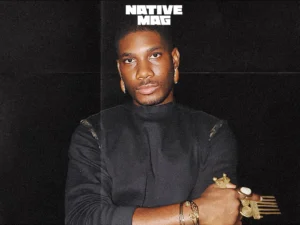
The high-octane lifestyle of international music superstars is often defined by the intersection of artistic excellence and rigorous logistical demands. For Nigerian Afrobeats sensation Davido, maintaining a rigorous global touring schedule requires an infrastructure built on precision, reliability, and an uncompromising standard of service. Recently, these logistical requirements were brought into the public eye when his sister and manager, Sharon Adeleke, provided an intimate look into the singer’s travel expectations during a candid interview on The Morayo Show. The revelation that Davido routinely rejects first-class flight arrangements if they fail to meet his specific requirements underscores the operational challenges inherent in managing one of Africa’s most prominent cultural exports.
The Logistics of Global Stardom
As one of the most streamed artists in African history, Davido’s professional life is a whirlwind of international engagements. From headlining festivals in the United States and Europe to recording sessions in Los Angeles and business summits in Dubai, the artist spends a significant portion of his professional life in transit. Managing this level of mobility requires more than just a passport; it necessitates a comprehensive travel strategy that prioritizes the artist’s well-being and productivity.
During her appearance on The Morayo Show, Sharon Adeleke elucidated the intricacies of her role as both a family member and a pivotal member of the artist’s management team. She explained that the expectation for first-class travel is not merely a matter of luxury, but a functional necessity. According to Adeleke, the singer maintains a strict policy: if a flight’s first-class cabin does not provide a standard of service or comfort that aligns with his professional requirements, he will decline to board the aircraft.
This level of discernment has led to instances where, even after arriving at the airport, the management team has been forced to make last-minute alternative bookings. Adeleke recounted scenarios where, upon inspecting the available aircraft or the specific configuration of the first-class cabin, the team determined the offering was unsatisfactory, resulting in the immediate purchase of new tickets to ensure the artist arrived at his destination in a state conducive to his upcoming obligations.
A Chronology of Artistic Mobility
To understand the necessity of these standards, one must examine the evolution of Davido’s career. Emerging on the scene over a decade ago, the singer has transitioned from a local star to a global phenomenon. In the early years of his career, travel was often characterized by the unpredictability of regional touring. However, as his global footprint expanded, the nature of his travel evolved.
The timeline of his international career shows a distinct shift around 2017 and 2018, following the massive success of singles such as "If" and "Fall." During this period, the demands on his schedule increased exponentially. The requirement for consistent international transit became a daily reality rather than a periodic necessity. By 2020, with the release of the album "A Better Time," the logistical infrastructure surrounding his career had reached a level of sophistication comparable to A-list international artists in the Western music industry.
Sharon Adeleke’s involvement has been central to this evolution. By assuming the role of manager, she has provided a layer of stability that is often missing in the careers of rapidly ascending artists. Her ability to navigate the complexities of international aviation, visa requirements, and ground logistics has allowed the artist to focus entirely on the creative and performative aspects of his career.
Data-Driven Travel: The Economics of Comfort
The decision to reject substandard first-class travel is a calculated operational choice. In the aviation industry, "first-class" is a broad designation that varies significantly between carriers and aircraft types. While some airlines offer lie-flat seats, private suites, and gourmet dining, others may offer only minimal upgrades from business class.
For an artist performing high-energy sets in front of tens of thousands of fans, the physical toll of travel is significant. A study on the ergonomics of frequent travel suggests that performers who utilize premium-tier, high-comfort seating arrive at their destinations with significantly lower levels of cortisol—the body’s primary stress hormone—compared to those who experience travel disruptions or cramped conditions. By ensuring that transit time is used for rest, the management team is effectively investing in the artist’s "human capital."
Furthermore, the financial impact of last-minute ticket purchases—often referred to as "walk-up fares"—is substantial. These tickets are generally the most expensive offerings in the aviation market, often costing two to three times the price of a standard advance-booked ticket. The fact that the management team prioritizes this expenditure over logistical convenience speaks to the importance placed on the artist’s condition upon arrival.
Professional Dynamics and Family Integration
The role of Sharon Adeleke extends beyond the typical manager-artist dynamic. As a family member, she possesses an inherent understanding of the artist’s personal preferences and professional thresholds. This integration of familial trust and professional oversight is a hallmark of many successful entertainment enterprises.
In the industry, there is a recurring debate regarding the efficacy of family members in management roles. Critics often point to potential conflicts of interest, while proponents argue that family members offer a level of loyalty and long-term investment that external managers may lack. In the case of the Adeleke team, the partnership appears to be built on a clear division of labor. While the singer focuses on the creative output, the management team handles the rigorous demands of global business, which includes the constant negotiation of travel logistics.
The Morayo Show interview provided a humanizing element to the narrative. By sharing these anecdotes, Adeleke successfully reframed the discourse around the artist’s travel habits from one of "luxury" to one of "management necessity." It also provided fans with a rare glimpse into the often-unseen mechanics of the music industry.
Broader Implications: The Standard of Afrobeats
The rise of Afrobeats to a global stage has forced a reevaluation of how African artists are managed and supported. Historically, artists from the continent were often subjected to inferior touring conditions when operating in international markets. Today, the success of artists like Davido has shifted the power dynamic.
When a major star demands high-tier travel, they are not just setting a personal preference; they are establishing a baseline expectation for the industry. This is indicative of the "professionalization" of the Nigerian music sector. As these artists sign major international recording deals and embark on global tours, the standard of care—including travel, security, and accommodation—must reflect their stature in the global music hierarchy.
The implications of this are twofold:
- Industry Benchmarking: Other emerging artists and their managers now have a blueprint for the level of logistical discipline required to sustain a global career.
- Contractual Expectations: It signals to promoters and international partners that the artist’s team is highly organized and prepared to enforce high standards, which in turn commands respect and ensures better performance outcomes.
Analysis and Conclusion
The account provided by Sharon Adeleke serves as a case study in the rigorous demands of 21st-century music management. While the headlines may focus on the luxury associated with first-class travel, the core of the issue is professional performance. An artist’s ability to deliver a world-class show is tethered to their ability to travel with efficiency and comfort.
The willingness to walk away from a flight that does not meet established standards is an assertion of agency. It demonstrates that the management team is firmly in control of the artist’s environment, prioritizing stability over convenience. As Davido continues to bridge the gap between African and Western music markets, these logistical choices will remain a vital component of his ongoing success. The interview on The Morayo Show, while lighthearted in its delivery, revealed the serious operational backbone that supports one of the most recognizable faces in global entertainment today. It is a reminder that behind every stadium-filling performance is a team dedicated to the meticulous management of every detail, from the stage lights to the cabin configuration of the aircraft.