The military landscape of Nigeria’s North-East has experienced a decisive shift following a series of coordinated, intelligence-led aerial bombardments conducted by the Joint Task Force, Operation Hadin Kai. In a sweeping two-day offensive executed between November 16 and 17, 2026, air assets belonging to the military coalition successfully neutralized 21 high-ranking and foot-soldier operatives of the Islamic State West Africa Province (ISWAP). The precision strikes, which targeted known terrorist enclaves across the Monguno Local Government Area and the southern fringes of the Lake Chad basin in Borno State, also left 10 additional insurgents severely wounded, according to official military disclosures.
The successful campaign marks a substantial tactical victory for the Nigerian military, dealing a severe blow to the administrative, logistical, and operational capabilities of the insurgent faction. Beyond the raw casualty figures, the operations succeeded in eliminating critical high-value targets, including a senior member of the terrorist group’s ruling Shura Council and a premier bomb-making expert whose network has long posed a direct threat to civilian populations and military deployments in the region.
Detailed Chronology and Intelligence-Led Execution
The military’s success was rooted in rigorous, multi-layered intelligence gathering, surveillance, and reconnaissance (ISR) operations that tracked insurgent movements over several days. According to a formal operational briefing released on Wednesday by Captain Mohammed Goni, the Acting Military Information Officer for the North-East Joint Task Force, the offensive was divided into distinct, meticulously timed phases.
The first phase of the operation unfolded following actionable intelligence reports indicating that a heavily armed contingent of ISWAP fighters was mobilizing and advancing toward the strategic regional hub of Monguno. In response to the imminent threat, military commanders deployed Unmanned Aerial Vehicles (UAVs) to establish persistent surveillance over the suspected infiltration corridors.
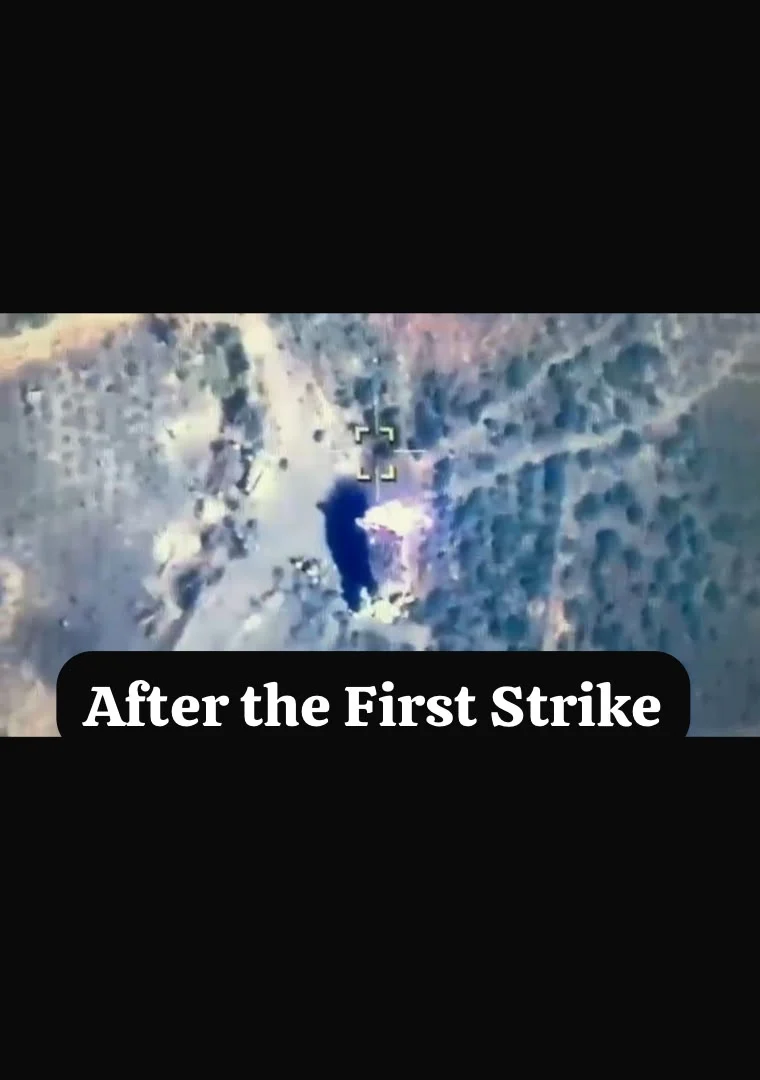
The aerial surveillance assets successfully tracked the movement of the terrorists along an isolated bush path situated northeast of Monguno. Capitalizing on the real-time targeting data relayed by the drone feed, air assets executed a precision strike that devastated the moving convoy.

Subsequent ground assessments and intelligence confirmations revealed that the strike accounted for the deaths of seven insurgents, notably including key figures within the group’s Improvised Explosive Device (IED) manufacturing and deployment network. Among the confirmed casualties was Abba Bomma, a high-value target identified by military intelligence as a master bomb-maker and a central pillar of the faction’s explosive engineering unit. Four other fighters sustained severe, potentially life-altering injuries during this initial engagement, effectively neutralizing their operational utility.
The second phase of the offensive shifted focus southward to the notoriously rugged terrain of Arinna within the South Lake Chad area—a known sanctuary for insurgent leadership, logistics cells, and staging camps. Leveraging deep-penetration aerial capabilities, the task force targeted a primary ISWAP command node, severely destabilizing the group’s regional hierarchy.
Military authorities confirmed that the Arinna strike eliminated Mallam Sharki, a prominent and influential member of ISWAP’s elite Shura Council who also served as the Amirul Amniya (Provost Commander), responsible for internal security, discipline, and enforcement within the terrorist organization. Also eliminated in the same strike was Abu Saad, the designated Qaid (commander) of Sabon Tumbu. The precision munitions further accounted for twelve additional insurgent casualties, while five fighters sustained critical wounds. In addition to the human toll, the airstrikes decimated the terrorists’ motorized mobility, destroying a fleet of motorcycles utilized for rapid tactical deployment and logistical supply runs across the difficult terrain of the Lake Chad basin.
Supporting Data and Operational Scale
When aggregated, the November 16–17 engagements underscore the escalating lethality and precision of the Joint Task Force’s updated counter-terrorism doctrine. The definitive neutralization of 21 combatants, coupled with 10 severe casualties, highlights the compounding attrition rate inflicted upon ISWAP’s fighting strength.
| Operational Parameter | Details / Statistics |
|---|---|
| Execution Window | November 16 – 17, 2026 |
| Theater of Operations | Monguno LGA & South Lake Chad Basin, Borno State |
| Total Neutralized | 21 ISWAP Fighters |
| Severe Injuries | 10 Operatives |
| Key Eliminated Leaders | Mallam Sharki (Shura Council Member / Amirul Amniya), Abu Saad (Qaid of Sabon Tumbu), Abba Bomma (IED Expert) |
| Collateral Asset Destruction | Multiple insurgent motorcycles and logistical transport vehicles |
The inclusion of high-ranking commanders such as Mallam Sharki and tactical specialists like Abba Bomma illustrates a deliberate strategic pivot by Operation Hadin Kai. Rather than merely engaging foot soldiers in protracted ground skirmishes, the military has increasingly prioritized leadership decapitation and the systematic dismantling of specialized support infrastructure, such as IED cells and supply chains.
Background Context of the Lake Chad Insurgency
The theater of operations in Borno State, particularly the Lake Chad basin and the northern axis encompassing Monguno, has remained a primary crucible of the over-a-decade-long insurgency in Nigeria’s North-East. The terrain—characterized by dense marshlands, vast bodies of water, isolated islands (tumbus), and porous borders—has historically provided an ideal sanctuary for insurgent factions, primarily Boko Haram and its splinter faction, ISWAP.

ISWAP, known for its affiliation with the global Islamic State network, has historically demonstrated superior tactical cohesion, advanced weapon utilization, and a sophisticated reliance on asymmetric warfare tactics, notably the widespread deployment of improvised explosive devices and suicide bombings. Control over the southern Lake Chad basin is fiercely contested, as the area serves as a vital economic and logistical artery for the terrorists, enabling them to levy taxes on local fishermen and farmers, smuggle weapons across international boundaries, and coordinate cross-border attacks.
Monguno, serving as a heavily fortified garrison town sheltering tens of thousands of internally displaced persons (IDPs) alongside military and humanitarian installations, remains a constant target for insurgent probing attacks and infiltration attempts. The interception of fighters advancing toward Monguno underscores the persistent vulnerability of peripheral communities and validates the military’s proactive, intelligence-driven air interdiction strategy.
Official Responses and Strategic Implications
Reacting to the successful conclusion of the operations, the leadership of the Theatre Command of Operation Hadin Kai emphasized that the strikes have yielded profound strategic dividends. By dismantling the upper echelons of ISWAP’s command structure in the region, the military has injected friction and confusion into the group’s administrative and operational planning loops.
Captain Mohammed Goni, speaking on behalf of the task force, reiterated the military’s unwavering commitment to the restoration of total peace and civil authority across the North-East geopolitical zone.
"The Theatre Command reaffirms its resolve to maintain sustained operational pressure on terrorists until lasting peace and normalcy are restored across the North East," Goni stated. He further stressed that the armed forces would not relent in their coordinated multi-domain operations—seamlessly integrating ground forces, air assets, and technological surveillance networks—to hunt down remaining insurgent commanders and neutralize asymmetric threats before they materialize.
Military analysts tracking the conflict note that leadership losses of the magnitude of Mallam Sharki and Abu Saad often trigger internal power struggles, suspicion, and purges within extremist factions, further degrading their operational efficacy. Furthermore, the destruction of Abba Bomma’s IED network directly reduces the frequency and lethality of roadside bombings and vehicle-borne improvised explosive device (VBIED) attacks that traditionally target both military convoys and civilian transport networks along major arterial routes in Borno State.

Broader Socio-Security Implications and Call to Action
Beyond the immediate tactical gains, the success of the Operation Hadin Kai airstrikes carries significant implications for regional stability, humanitarian access, and the ongoing stabilization and reconstruction efforts championed by the Borno State Government and international partners.
Security experts emphasize that degrading ISWAP’s capacity to mount offensive operations around Monguno and the Lake Chad basin is essential for securing major supply routes, fostering economic revival through revived agricultural and fishing activities, and encouraging the voluntary, safe return of displaced populations to their ancestral homes.
However, military authorities continue to stress that kinetic operations alone cannot achieve permanent pacification. In his concluding remarks, Captain Goni appealed directly to local residents, community leaders, and civil society actors across Borno State to maintain active vigilance and deepen their collaboration with security forces. He urged citizens to provide timely, credible intelligence regarding suspicious movements, clandestine logistics supply networks, or the presence of fleeing, wounded insurgents seeking sanctuary within civilian settlements.
As Operation Hadin Kai maintains its aggressive operational posture, the recent precision strikes serve as a clear indicator of the Nigerian military’s evolving technological capabilities, improved intelligence integration, and relentless determination to bring a definitive end to the insurgency in the Lake Chad basin.