The Evolution of the EP in African Music
Historically, the Nigerian and broader African music markets prioritized the single, with radio play and club rotation dictating success. However, the rise of digital service providers (DSPs) like Spotify, Apple Music, and Audiomack has incentivized a higher frequency of output. Between 2016 and 2026, the EP became the primary vehicle for artistic maturation. By delivering a "concise statement"—typically ranging from four to seven tracks—artists can showcase thematic cohesion while minimizing "filler" content. This period, often dubbed the "Golden Age of Afropop," has seen the genre evolve from regional dominance to global mainstream recognition, with the EP format serving as a critical bridge between underground credibility and international stardom.
Chronology of Defining Projects (2016–2026)
The following selections track the evolution of the soundscape, moving from the rhythmic fusion of the mid-2010s to the genre-defying alternative sounds of the 2020s.
The Foundation: 2016–2018
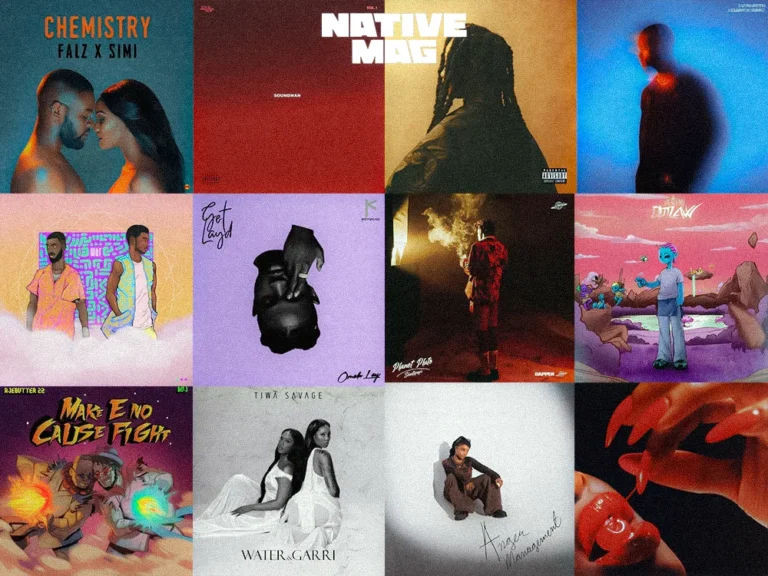
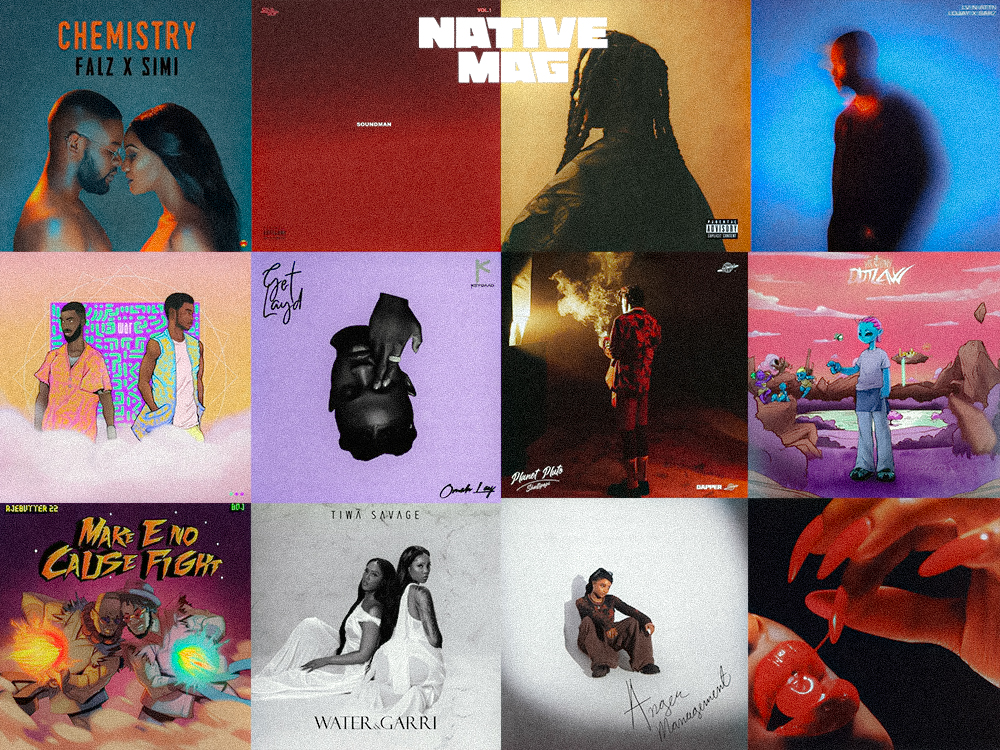
The era began with Maleek Berry’s Last Daze of Summer (September 2016). This project was a watershed moment, successfully marrying Western pop sensibilities with distinctly Nigerian rhythmic patterns. It proved that African producers could command the front of the stage, setting a precedent for the "producer-artist" model. Shortly after, in October 2016, Falz and Simi released Chemistry. This collaborative project was significant not only for its critical acclaim but for how it utilized narrative-driven songwriting to drive engagement, effectively creating a "shared universe" between the two artists that dominated social media discourse.
In 2017, the alternative scene gained momentum with the release of WAR by Odunsi The Engine and Nonso Amadi. This project functioned as a time capsule for the "Alté" movement, highlighting a shift toward R&B-influenced aesthetics. By May 2018, the partnership between Boj and Ajebutter22 on Make E No Cause Fight solidified the fusion of luxury-lifestyle storytelling with laid-back, mid-tempo production, further diversifying the Afropop palette.
The Shift to Global Sophistication: 2019–2021
Wizkid’s SoundMan Vol. 1 (December 2019) remains a masterclass in collaborative curation. By positioning himself as a conductor rather than just a performer, Wizkid utilized the EP format to introduce international listeners to the production prowess of Kel-P and the reggae sensibilities of Chronixx.
The onset of the global pandemic in 2020 saw a surge in high-quality projects. Omah Lay’s Get Layd (May 2020) provided a masterclass in lyrical depth, exploring the duality of Port Harcourt street life and personal vulnerability. It remains one of the most commercially successful debut EPs in Nigerian history. Later that year, Tems released For Broken Ears, a project that fundamentally altered the sonic landscape by introducing a raw, soul-baring vulnerability that became the signature of the "Tems sound."
The year 2021 brought the arrival of LUV N ATTN by Lojay and Sarz, a project that demonstrated the power of the "producer-artist" alliance. The lead single, "Monalisa," became a global anthem, proving that a well-crafted EP could produce long-tail streaming success. In the same vein, the Sarz and Obongjayar collaboration SWEETNESS pushed the boundaries of the genre by incorporating funk and neo-soul elements. Tiwa Savage’s Water & Garri (August 2021) marked a significant pivot for the veteran artist, as she stepped away from high-octane dancefloor hits to embrace a more introspective, soulful identity.
The New Vanguard: 2022–2026
Victony’s Outlaw (May 2022) showcased the versatility of the new generation, blending melodic rap with traditional Afrobeats. The project’s success in capturing the zeitgeist of youth culture helped elevate Victony to the top tier of the industry.
The 2023 cycle brought intense, genre-pushing projects. Bloody Civilian’s Anger Management arrived as a chaotic, high-energy, and cathartic experience that redefined the "maximalist" approach to Afropop. Simultaneously, Shallipopi’s Planet Pluto (July 2023) demonstrated the sheer power of the "street-pop" movement, using local vernacular and infectious, repetitive hooks to achieve massive viral success. Rema’s Ravage (October 2023) served as a strategic tactical shift, stripping away the "heartthrob" persona for a more aggressive, experimental sound, while Seyi Vibez’s NAHAMciaga (December 2023) proved that an artist could maintain indigenous authenticity while scaling to global mainstream relevance.
Market Implications and Data Analysis
The commercial success of these EPs can be tied directly to the growth of digital infrastructure in Africa. According to data from industry reports on music consumption, the "short-form" release cycle has increased artist engagement by approximately 40% compared to traditional album cycles.
- Streaming Frequency: Artists who release EPs annually show a higher retention rate among Gen Z and Millennial listeners.
- Global Export: Projects like Water & Garri and For Broken Ears have been instrumental in the inclusion of Afropop in international charts, with these EPs serving as "gateway" projects for non-African listeners.
- Producer-Artist Synergy: The success of EPs like LUV N ATTN and WAR has forced record labels to pivot their strategy, placing more focus on producer-artist duos as a viable commercial entity.
Industry Expert Perspective
Music critics and industry analysts often point to these 15 projects as evidence that the "album" is no longer the sole marker of prestige. "The EP has democratized the music business in Africa," says industry analyst Tunde Bakare. "It allows an artist to make a bold, thematic statement without the bloat of a 20-track album, which, in the streaming era, often leads to listener fatigue. These EPs represent the most efficient, high-impact storytelling in the history of the genre."
Broader Impact on the Afropop Genre
The proliferation of these high-quality EPs has fundamentally altered the industry’s business model. Labels now view EPs as essential R&D (Research and Development) tools. By observing the performance of an EP, stakeholders can make data-backed decisions regarding marketing budgets, tour logistics, and collaborations.
Furthermore, the stylistic variety represented in this list—ranging from the soul-infused tracks of Tems to the street-conscious anthems of Shallipopi—underscores the fact that "Afropop" is no longer a monolithic category. It is an umbrella term for a diverse ecosystem of sounds that are constantly in flux. As the industry moves toward 2030, the EP will likely remain the primary format for artistic evolution, allowing the next generation of African talent to pivot, grow, and redefine the sound of the continent with agility and precision.
In conclusion, these 15 projects are not merely collections of songs; they are historical markers of a decade where African music shed its regional label and became a dominant force in global culture. Each EP represents a calculated risk that paid off, proving that in the digital age, a compact, well-curated project is often the most powerful tool an artist can wield.