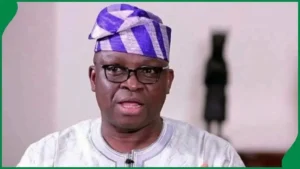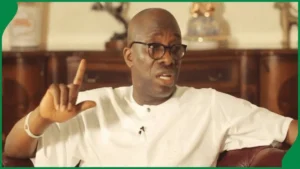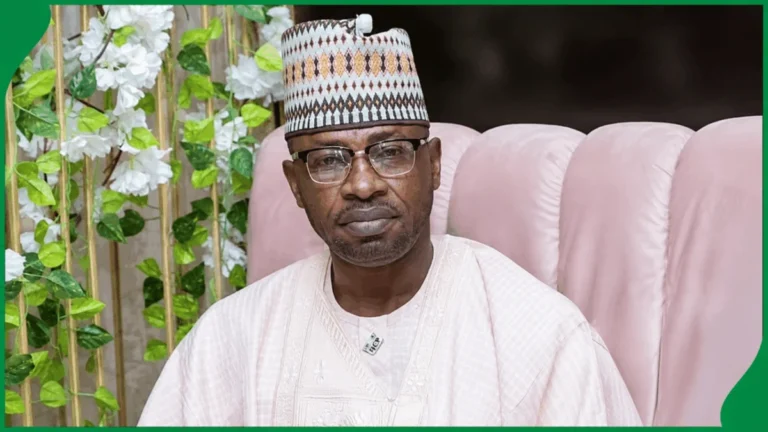
The landscape of Nigerian partisan politics witnessed a significant realignment on November 11, 2026, as Yunusa Tanko, a prominent figure formerly central to the Obidient Movement, formally announced his departure from the Nigeria Democratic Congress (NDC). Tanko, who had been serving as the political adviser to the NDC presidential candidate, Peter Obi, confirmed that he had tendered his resignation on October 30, 2026. This transition marks a major shift in the strategic alliances defining the pre-election season, as Tanko has immediately assumed the role of National Coordinator for the Social Democratic Party (SDP) presidential campaign, working under the party’s flagbearer, Adewole Adebayo.
The development comes on the heels of a series of personnel adjustments within the opposition camps as political parties gear up for the 2027 general elections. Tanko’s exit from the NDC hierarchy is not his first major transition this year; he had previously stepped down from his high-profile position as the National Coordinator of the Obidient Movement to transition into a more direct advisory role for Peter Obi, specifically focusing on Northern Nigeria. His latest move to the SDP represents a broader pivot, signaling a potential shift in the electoral strategies of key stakeholders within the political ecosystem.
A Chronology of Strategic Realignments
The transition of Yunusa Tanko follows a well-documented timeline of his involvement in the opposition movement. His rise to prominence was largely cemented through his leadership of the Obidient Movement, a grassroots coalition that became a formidable force during the 2023 election cycle.
- Early 2026: Tanko maintains his status as a key strategist for the Obidient Movement, mobilizing support across various demographics.
- October 1, 2026: Tanko steps down as the National Coordinator of the Obidient Movement, a move framed as an internal restructuring to allow him to focus on his new mandate as Special Adviser on Northern Nigeria to Peter Obi.
- October 30, 2026: Tanko formally submits his resignation from his role as Political Adviser to the NDC presidential candidate, Peter Obi.
- November 11, 2026: Tanko publicly confirms his defection to the Social Democratic Party (SDP) and his appointment as the National Coordinator for the Adewole Adebayo presidential campaign.
In his public statement, Tanko emphasized that the decision to align with the SDP was a deliberate strategic choice. He noted that his relationship with Adewole Adebayo has been long-standing and cordial, dismissing suggestions that the move was impulsive or born out of conflict. By joining the SDP, Tanko brings his extensive experience in grassroots mobilization to a party that is currently attempting to rebrand itself as a "third force" capable of challenging the dominance of the two major political parties.
The Broader Political Implications
The defection of a seasoned operative like Tanko carries significant weight for both the NDC and the SDP. For the NDC, the loss of an adviser with deep ties to Northern political networks and experience in youth mobilization may necessitate a rapid reconfiguration of their campaign strategy. Observers note that the effectiveness of the NDC’s 2027 bid hinges on its ability to sustain the momentum built during previous cycles, and the exit of a key coordinator could create a temporary void in field operations.
Conversely, for the SDP, the acquisition of Tanko is a tactical coup. Adewole Adebayo’s campaign has been looking to solidify its organizational structure, and Tanko’s reputation as an effective coordinator provides the party with the technical expertise needed to scale its operations. This move suggests that the SDP is positioning itself as a viable alternative for voters who might be disillusioned with the traditional party structures, seeking to leverage the experience of former Obidient organizers to build a nationwide framework.
NDC Response and the APC Factor
The political environment is further heated by the ongoing verbal sparring between the Nigeria Democratic Congress and the ruling All Progressives Congress (APC). While the focus has been on Tanko’s departure, the NDC has simultaneously escalated its critique of the current administration.
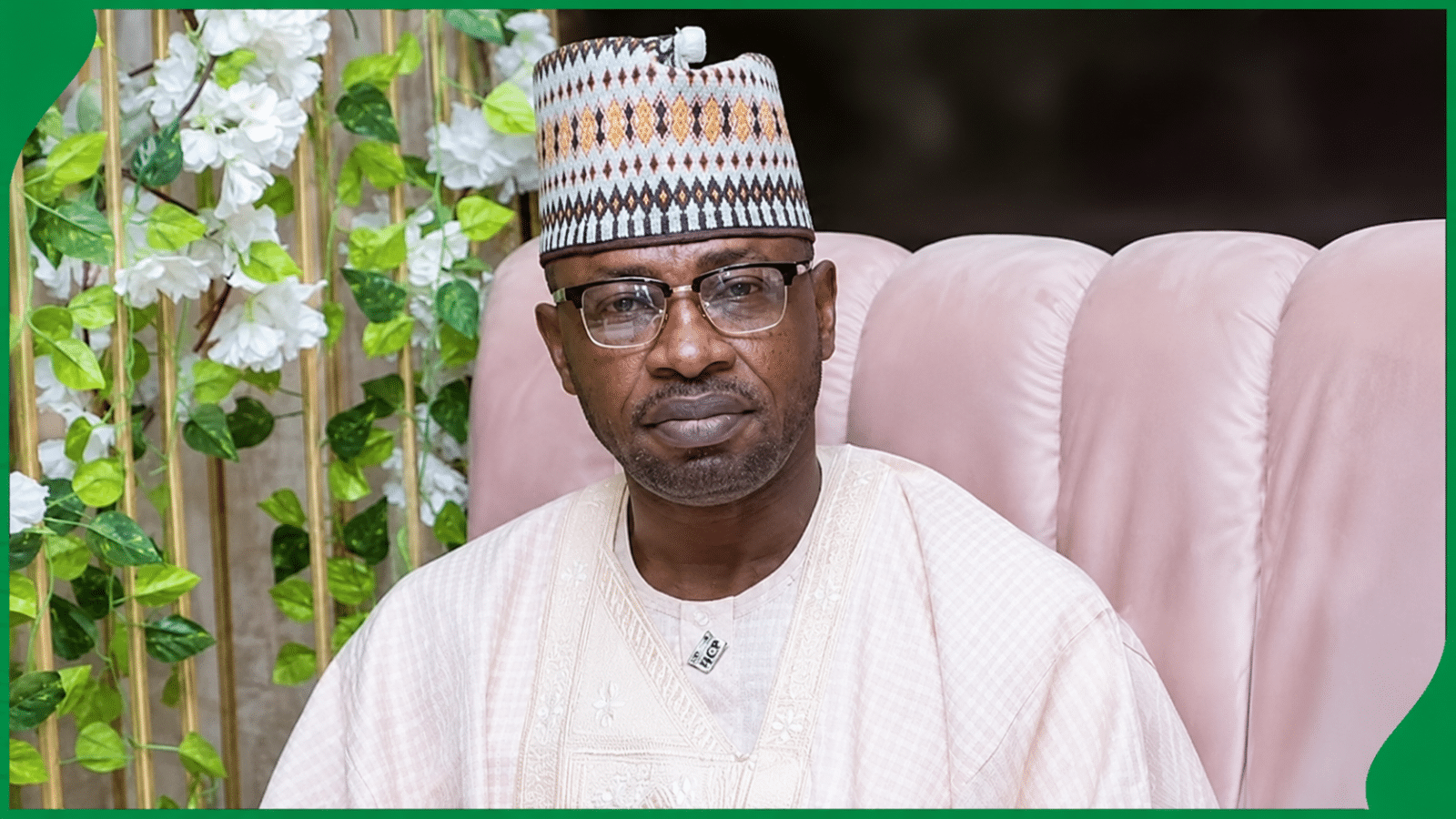
Theo Agada, the Director of New Media and Strategic Communications for the NDC, issued a pointed statement on Wednesday addressing the frequent criticisms leveled at Peter Obi by Vice President Kashim Shettima. Agada argued that the intensity of these attacks is a direct reflection of the anxiety within the APC camp. According to the NDC, the ruling party perceives the growing support for Peter Obi and the NDC as a genuine threat to their electoral prospects in 2027.
"The APC is currently operating from a position of intellectual and strategic deficiency," Agada claimed. "They find themselves unable to address the fundamental economic and social concerns of the Nigerian electorate, and as a result, they have resorted to a campaign of constant vilification against the opposition. These attacks are not signs of strength; they are indicators of a party that is losing its grip on the narrative."
This atmosphere of heightened tension indicates that the 2027 election cycle is shaping up to be one of the most polarized in recent history. The movement of key political actors across party lines—such as Tanko—is likely to increase as the primary election deadlines approach.
Data and Trends in the 2027 Pre-Election Phase
Political analysts monitoring the 2027 landscape suggest that the current volatility is typical of the pre-election phase. Several factors are influencing these movements:
- Grassroots Mobilization: The "Obidient" model of decentralized, social-media-driven campaigning has set a new standard for political engagement in Nigeria. Parties are now actively poaching leaders who understand how to translate digital influence into physical electoral turnout.
- Economic Sentiment: With the current economic climate, including inflation and structural reforms, opposition parties are finding success in framing themselves as the solution to the status quo. The SDP’s focus on attracting experienced organizers suggests a pivot toward more structured, data-driven campaigning.
- Regional Alliances: The focus on Northern Nigeria, where Tanko has specialized expertise, remains a critical battleground. Political parties recognize that success in the North is often a prerequisite for a national victory, making the recruitment of regional coordinators a high-stakes endeavor.
Analysis: The Future of the "Third Force"
The entry of Yunusa Tanko into the SDP camp raises a fundamental question about the future of the "Third Force" in Nigerian politics. Historically, Nigerian elections have been dominated by a two-party system. However, the rise of alternative platforms over the last four years has shown that the electorate is increasingly receptive to candidates outside the traditional mainstream.
By moving to the SDP, Tanko is betting on the idea that the political infrastructure of a registered party, combined with the energy of the grassroots movement he previously helped build, can produce a winning formula. However, this transition also poses a challenge: can the SDP successfully integrate these disparate elements without losing the ideological cohesion that attracted supporters in the first place?
The coming months will be critical. As the electoral calendar progresses, the public will be looking for concrete policy proposals from the SDP, now strengthened by its new leadership team. Meanwhile, the NDC will be under pressure to demonstrate that its campaign remains resilient despite the loss of key personnel.
For the Nigerian voter, these shifts are more than just personnel changes; they represent the ongoing negotiation of power and the search for a political vehicle that can effectively address the nation’s pressing socio-economic challenges. As the political maneuvering continues, the spotlight remains firmly on how these strategic realignments will translate into votes when the ballot boxes are opened in 2027. The departure of Yunusa Tanko is likely merely the first of several high-profile shifts as the political class prepares for the ultimate test of public approval.