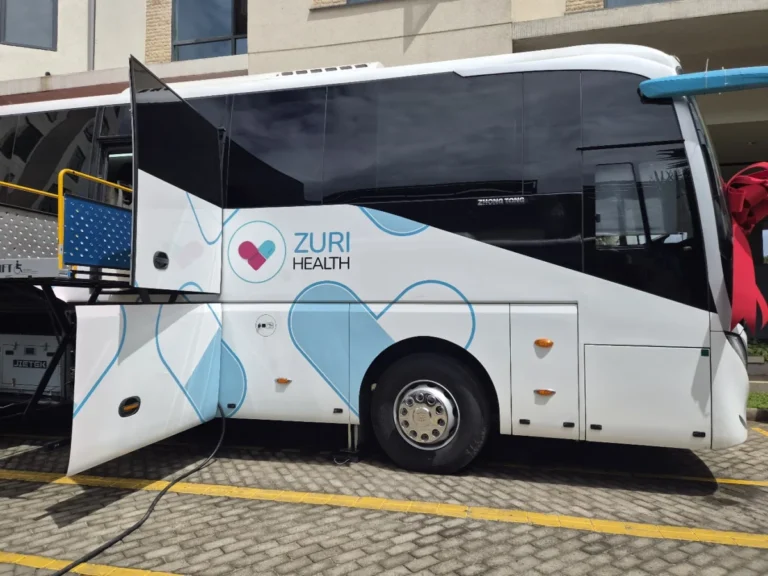
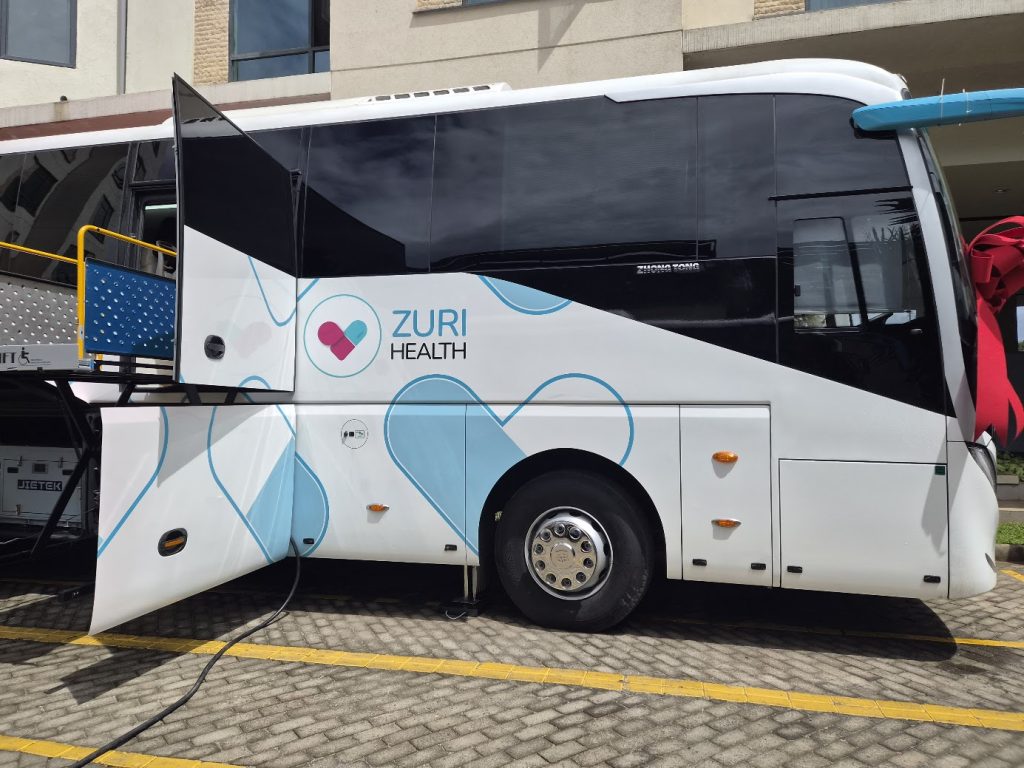
The Kenyan healthcare technology startup Zuri Health has announced a significant expansion of its mobile clinic operations in Nairobi, signaling a strategic shift toward a permanent, revenue-generating mobile health model. After successfully operating a pilot bus that demonstrated financial viability by covering its own operating costs, the company has added two more specialized vehicles to its fleet. This expansion brings the total number of units to three, creating a mobile infrastructure designed to provide continuous, high-quality medical services in high-density urban areas. Unlike traditional mobile health initiatives in the region, which often rely on short-term donor funding or government outreach campaigns, Zuri Health is positioning its "Zuri Express" service as a sustainable commercial enterprise that integrates digital health data with physical point-of-care delivery.
The move comes at a critical time for Kenya’s healthcare sector, which is currently undergoing a transition toward Universal Health Coverage (UHC) under the newly established Social Health Authority (SHA). By deploying solar-powered, fully equipped medical buses, Zuri Health aims to address the twin barriers of proximity and affordability that frequently prevent low-income workers and informal sector traders from seeking timely medical interventions. The company’s approach seeks to minimize the "opportunity cost" of healthcare—the lost wages and travel expenses that often exceed the actual cost of a medical consultation for the average Kenyan worker.
A Strategic Evolution: From Medical Camps to Daily Operations
Zuri Health was founded in 2020, initially launching as a digital platform to connect patients with healthcare providers through telemedicine, pharmacy services, and lab bookings. However, the company’s leadership soon identified a gap in the "last mile" of healthcare delivery. While digital consultations solved the problem of initial access, many patients still required physical examinations, diagnostic tests, and immediate medication dispensing that a smartphone alone could not provide.
Between 2021 and 2023, the startup conducted extensive medical camps across various Kenyan counties. these camps served as a large-scale data-gathering exercise, allowing the company to map out disease prevalence, patient demographics, and the specific healthcare needs of different neighborhoods. The data revealed a high demand for routine diagnostic services, dental care, and maternal health screenings in areas where fixed-facility clinics were either too expensive or too far away.

"We validated this over the past three years through medical camps across Kenya," said Ikechukwu Anoke, Chief Executive Officer of Zuri Health. "We understand what these communities need, and with Zuri Express running daily, people can access care immediately. A market trader will not have to close her stall or spend hours traveling to a hospital. We are taking the hospital to them."
Technical Specifications and Fleet Logistics
The expanded fleet consists of three distinct vehicles, each serving a specific role within the Zuri Health ecosystem. Two of the buses are "clinical units"—self-contained medical facilities that operate independently of the local power grid. These units are outfitted with high-capacity solar panels and battery storage systems, ensuring that sensitive diagnostic equipment and refrigeration for vaccines or medications remain operational throughout the day.
Inside these clinical units, patients have access to a suite of services typically reserved for brick-and-mortar hospitals. This includes general doctor consultations, dental suites for cleanings and extractions, and specialized equipment for cervical cancer screenings. The buses also feature X-ray sections and laboratory modules capable of performing basic blood work and diagnostic tests.
The third vehicle in the fleet is a dedicated logistics and support bus. This unit is essential for the "always-on" model Zuri Health is pursuing. It handles the restocking of medical supplies, the transport of staff rotations, and the management of waste disposal. By decoupling the logistics from the clinical service, Zuri Health ensures that its primary medical units can remain stationary in high-traffic hubs for longer periods without needing to return to a central depot for basic supplies.
Economic Disruption in the Kenyan Healthcare Market
The pricing structure of Zuri Health’s mobile clinics is designed to undercut the traditional private healthcare market while remaining competitive with public facilities that are often plagued by long wait times and supply shortages. A standard consultation with a doctor on a Zuri Health bus starts at KES 500 (approximately $3.87). When accounting for diagnostic tests and basic medication, a typical visit averages around KES 1,500 ($11.60).
In comparison, private hospitals in Nairobi often charge consultation fees ranging from KES 2,000 ($15.47) to KES 5,000 ($39), excluding the cost of treatment. While public hospitals offer lower base rates—sometimes as low as KES 100 ($0.77)—the "hidden costs" for patients are substantial. For a day laborer or a "Mama Mboga" (market trader), spending four to six hours in a public hospital queue represents a significant loss of daily income. By placing clinics in high-density areas like transport hubs and markets, Zuri Health effectively eliminates the travel time and reduces the waiting period, making healthcare a manageable part of a working day.
The revenue model is diversified to ensure sustainability. Beyond out-of-pocket payments from walk-in patients, Zuri Health has secured partnerships with major insurance providers, including Britam and Madison Insurance. Furthermore, the startup has integrated with the government’s Social Health Authority (SHA), allowing it to serve a broader segment of the population that relies on the national health insurance framework. The company also generates significant revenue through corporate contracts, where businesses pay for the mobile clinics to visit their worksites to conduct mandatory health checks and wellness screenings for employees.
Data-Driven Deployment and Digital Integration
One of the key differentiators for Zuri Health is its use of data to determine where the buses are deployed. The company utilizes heat maps generated from its telemedicine app and historical data from its medical camps to identify "healthcare deserts" or areas with high patient density. The buses rotate across various Nairobi locations based on these demand patterns, ensuring that resources are allocated where they are most needed.
This hybrid approach—combining a digital platform with physical mobile units—creates a continuous loop of care. A patient might start with a remote consultation on the Zuri Health app, be directed to a nearby mobile bus for a physical test or X-ray, and then receive follow-up care or prescriptions through the app once the results are processed. This integration reduces the likelihood of patients dropping out of the care cycle due to logistical hurdles.
Broader Implications for African HealthTech
The expansion of Zuri Health’s mobile fleet is being closely watched by industry analysts as a potential blueprint for urban healthcare in Africa. Many African cities face similar challenges: rapid urbanization, a lack of planned healthcare infrastructure in informal settlements, and a growing middle and lower-middle class that is willing to pay for convenience but cannot afford premium private care.
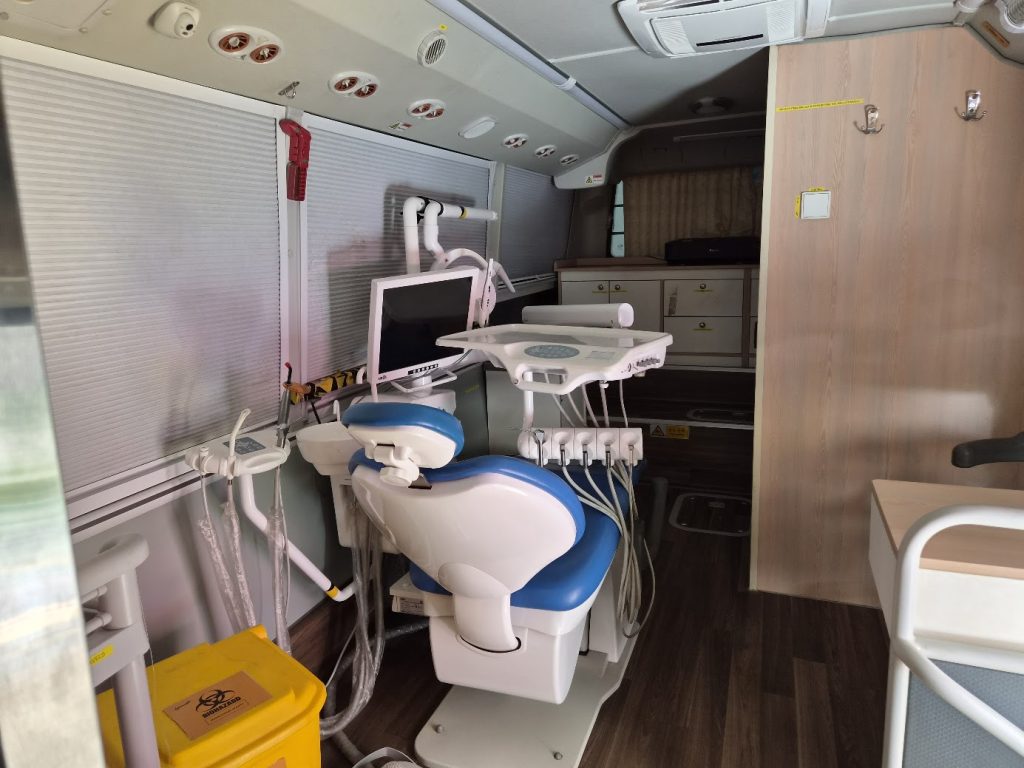
The "clinic-on-wheels" model addresses the high capital expenditure (CAPEX) associated with building permanent facilities. In a city like Nairobi, where real estate costs are high and land titles can be complicated, mobile units offer a flexible and scalable alternative. If a particular location sees a decline in demand or if a new high-traffic area emerges, the clinic can simply be driven to the new site.
However, the model is not without its challenges. Maintaining medical-grade equipment in a mobile environment requires rigorous quality control and frequent calibration. There are also regulatory hurdles regarding the licensing of mobile facilities, which often fall into a gray area of traditional medical regulations designed for fixed buildings. Zuri Health’s ability to navigate these complexities while maintaining profitability will be a litmus test for other startups in the space.
Conclusion and Future Outlook
As Zuri Health rolls out its new buses across Nairobi, the focus will shift to operational efficiency and the potential for expansion beyond the capital city. The company has already expressed interest in scaling the model to other regions in Kenya and potentially into other African markets where it already has a digital presence, such as Nigeria, Senegal, and South Africa.
By proving that mobile clinics can be more than just a temporary "outreach" tool, Zuri Health is challenging the traditional notions of how a hospital should look and function. In the busy streets of Nairobi, the sight of a solar-powered medical bus may soon become a standard feature of the urban landscape, representing a new era of accessible, data-driven, and commercially viable healthcare for all. The success of this expansion could herald a broader shift in how emerging markets approach the problem of healthcare equity, prioritizing mobility and technology to reach the underserved.