

The visit of World Health Organization (WHO) Director-General Dr. Tedros Adhanom Ghebreyesus to Berlin this week marks a critical juncture in the relationship between the global health agency and its most significant financial backer. As Dr. Tedros engages in a series of high-level diplomatic meetings, the stakes for Germany’s future role within the organization have reached a fever pitch. The visit occurs against a backdrop of looming voluntary contribution cuts by the German government, a massive $640 million budget shortfall for the WHO, and the early maneuvering for the next Director-General election.
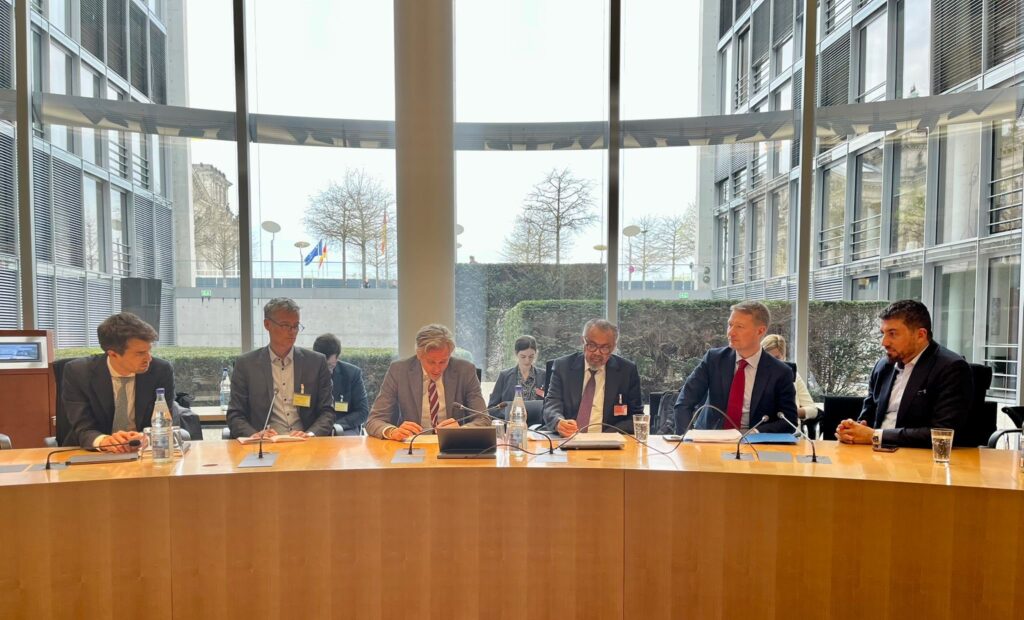
On Monday, Dr. Tedros began a two-day high-level visit to the German capital at the invitation of the World Health Summit (WHS), an organization for which he has long served as a patron. While the official agenda highlights cooperation on pandemic preparedness and the role of the WHO Hub in Berlin, diplomatic insiders suggest the primary motivation for the visit is to mitigate a burgeoning financial and leadership crisis. The Director-General’s itinerary includes requested bilaterals with Minister of Foreign Affairs Johann Wadephul, Minister of Health Nina Warken, and Berlin Mayor Kai Wegner, as well as several influential members of the Bundestag. Notably, Chancellor Friedrich Merz declined a request to meet with Dr. Tedros, a move that observers interpret as a sign of the shifting political priorities within the German chancellery.
A Strategic Partnership Under Financial Strain
According to a WHO spokesperson, the visit aims to "reaffirm Germany’s role as a strategic partner and champion of multilateral global health." The spokesperson emphasized that the meetings focus on sustainable financing and strengthening the WHO Hub for Pandemic and Epidemic Intelligence in Berlin. However, the financial reality paints a more complex picture.
Following the United States’ intermittent withdrawals and policy shifts regarding the WHO, Germany emerged as the organization’s largest member-state donor. This position of leadership is now being tested. Reports indicate that Germany is prepared to significantly reduce its voluntary contributions for the 2026 and 2027 fiscal years. Of the $262.2 million in funding pledged by Germany during the World Health Summit in October 2024—intended to cover the 2025–2028 period—only $84 million has been formally committed in the 2026 national budget approved by the Bundestag.
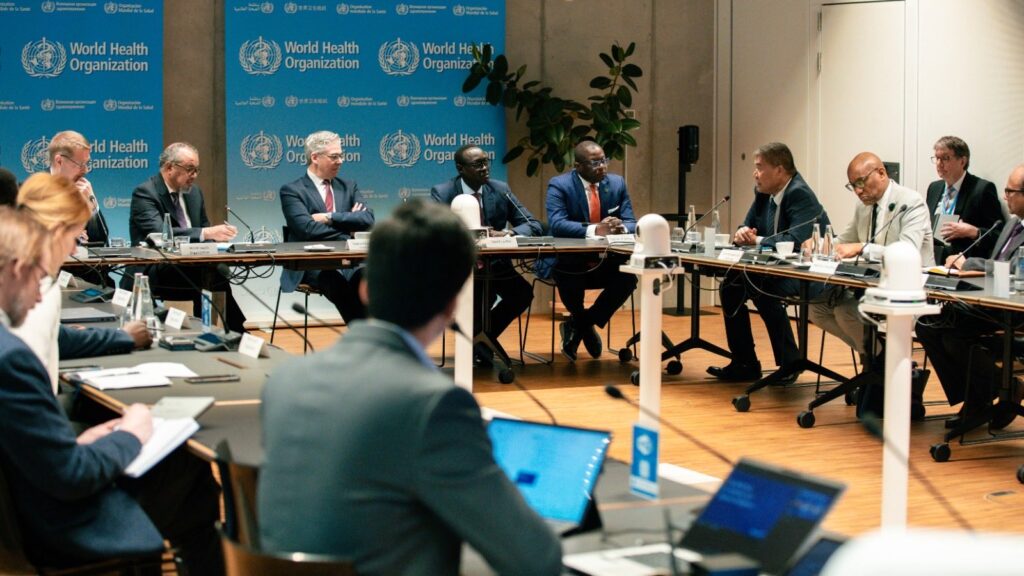
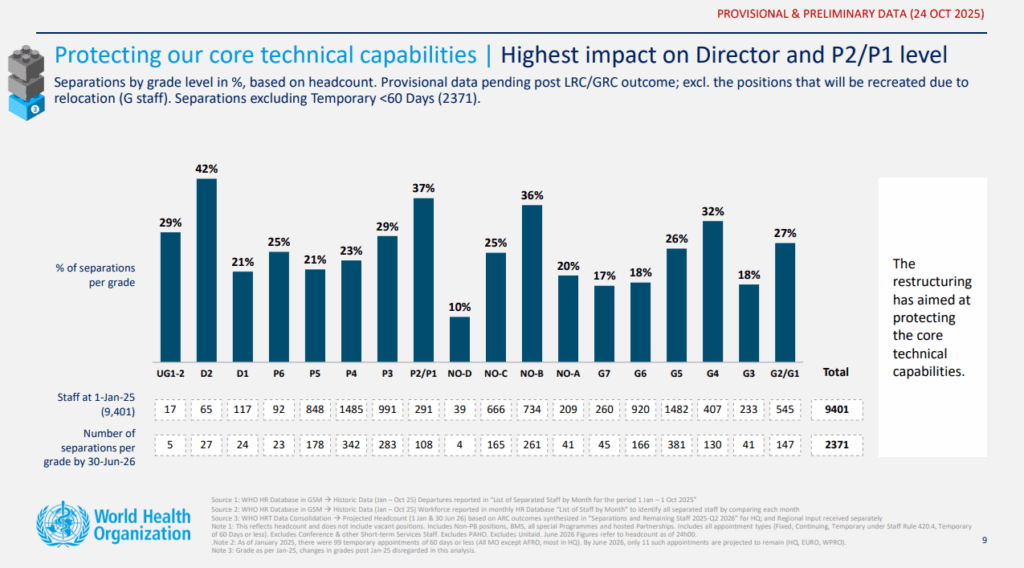
The fate of the remaining $180 million remains uncertain. This potential retrenchment comes at a time when the WHO is already operating under extreme fiscal pressure. Despite implementing dramatic budget cuts and laying off approximately 25% of its global workforce over the past 16 months, the agency still faces an estimated $640 million budget gap for the 2026–2027 biennium. The impact of German cuts is already being felt locally; funding for the Berlin-based WHO Hub for Pandemic and Epidemic Intelligence is expected to be halved, dropping from €30 million to €15 million annually.
Chronology of the Germany-WHO Relationship (2020–2026)
To understand the weight of the current visit, one must look at the trajectory of Germany’s involvement in global health over the last six years:
- 2020: Following the Trump administration’s move to withdraw the U.S. from the WHO, Germany steps in to fill the leadership and funding vacuum, becoming the agency’s top donor.
- September 2021: The WHO Hub for Pandemic and Epidemic Intelligence is inaugurated in Berlin with significant German financial backing, signaling a long-term commitment to surveillance and data.
- October 2024: At the World Health Summit, Germany makes a landmark pledge of $262.2 million for the WHO’s Investment Round.
- November 2025: The WHO discloses a massive restructuring plan, including a 25% reduction in staff, primarily affecting mid-level professional roles.
- January 2026: Internal German budget documents reveal plans to halve the annual budget for the Berlin Pandemic Hub.
- February 2026: Dr. Tedros reports a $640 million budget gap during the WHO Executive Board meeting, warning of the risks to global health security.
- April 2026: Dr. Tedros arrives in Berlin for high-stakes meetings as the call for Director-General nominations approaches.
The Director-General Succession Race
A central, though less publicized, objective of Dr. Tedros’s visit involves the upcoming election for the next WHO Director-General. The formal campaign is expected to begin in late April or early May when the WHO officially calls for member states to nominate candidates.
Germany has been internally debating whether to put forward a candidate to succeed Dr. Tedros. Two prominent figures have emerged as potential contenders:
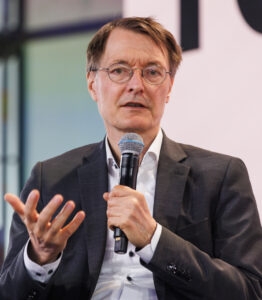
- Karl Lauterbach: The former German Health Minister is a household name with significant experience in fiscal reform. However, his high-profile and sometimes controversial role during the COVID-19 pandemic response has made him a polarizing figure domestically, which could complicate his international standing.
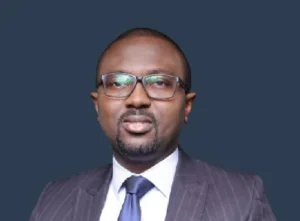
- Paul Zubeil: Currently the deputy director-general of European and International Health Politics in the German Health Ministry, Zubeil is highly respected among technical experts. He has decades of experience in complex humanitarian settings and currently oversees German funding to the WHO and UNAIDS. His challenge lies in securing the necessary high-level political backing to mobilize a formal national nomination.
Sources within the WHO suggest that Dr. Tedros is using his visit to encourage German officials not to enter the race. Instead, he is reportedly advocating for Berlin to back "allied candidates" who would maintain the current trajectory of the organization. This has sparked debate within Berlin’s diplomatic circles. Some argue that deferring to the current Director-General’s preference would be a "missed opportunity" for Germany to translate its financial contributions into institutional leadership.
The Executive Board Calculus and Regional Constraints
Germany’s influence is further constrained by the complex governance structures of the WHO. The 34-member Executive Board (EB) plays a decisive role in the election process, as it screens nominees and selects a final shortlist of three candidates for the World Health Assembly to vote upon.
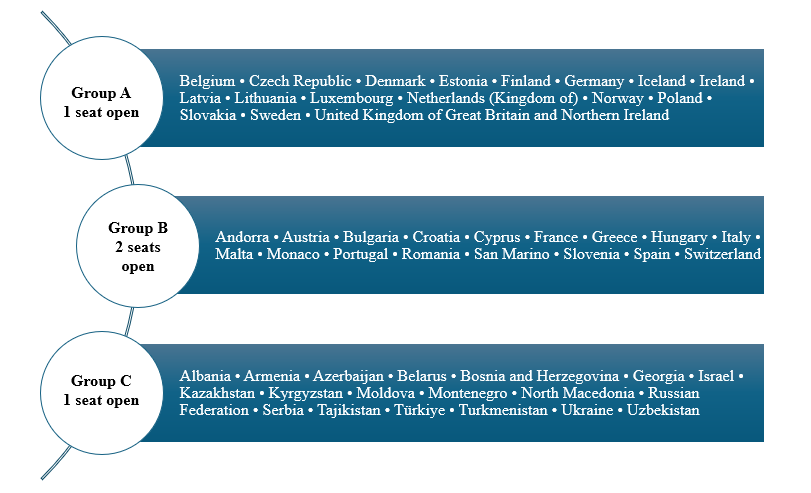
Currently, Germany does not hold a seat on the Executive Board. While it could return to the board in May 2027, it faces stiff competition within its subregional grouping. Under the WHO European Region’s system, Germany is part of "Group A," where only one seat is available. At an informal regional consultation in late 2025, both Iceland and Luxembourg expressed interest in that same seat, meaning Germany faces a three-way battle just to gain a seat at the table.
In contrast, France—which is also considering several high-profile candidates for the Director-General role, including Agnès Buzyn, Anne-Claire Amprou, and Marisol Touraine—occupies a much more secure position. As a permanent member of the UN Security Council, France benefits from a rotation system in "Group B" that virtually guarantees it a seat on the Executive Board in 2027, regardless of the success of its DG candidate.
The Paradox of Financial Weight vs. Diplomatic Power
The current tension highlights a long-standing criticism of German foreign policy: the "pay but don’t play" paradox. According to the 2025 report from the Organisation for Economic Co-operation and Development (OECD), Germany has become the world’s largest provider of official development assistance (ODA), with aid totaling $29.1 billion.
Despite this historic financial weight, Germany has struggled to secure top-tier leadership roles within the United Nations system. Following the departure of Achim Steiner from the UN Development Programme (UNDP) in 2025, Germany lost its only senior role in the UN hierarchy. Subsequent attempts to lead the UN High Commissioner for Refugees (UNHCR) also failed when the German candidate, Niels Annen, lost to Iraq’s Barham Salih.
Critics argue that Berlin’s current consideration of cutting WHO funding while simultaneously weighing a leadership bid sends a mixed message. "To defer its own candidacy while cutting the budget of the very agency it seeks to lead raises serious questions about judgment and independence," noted one German diplomatic source.
Geopolitical Implications: The Washington-Berlin Axis
The timing of Dr. Tedros’s visit is also significant due to the broader geopolitical climate. Relations between Berlin and Washington D.C. are under strain, with the U.S. administration increasingly adopting a transactional approach to international alliances. Chancellor Merz has publicly warned of a "deep rift" between Europe and the U.S., even as he calls for a revival of transatlantic trust.
In this context, the WHO Director-General race becomes a diplomatic lever. Some analysts suggest that a credible German nominee could serve as a bridge, signaling to Washington that Europe is willing to take a leadership role in reforming global institutions to ensure they remain anchored in Western priorities rather than drifting toward other spheres of influence.
Conversely, a retreat by Germany—both financially and in terms of leadership—could accelerate the fragmentation of global health governance. If the WHO’s largest member-state donor pulls back, the resulting power vacuum may be filled by other actors, potentially leading to a more fractured and less effective global response to future health crises.
Conclusion: A Decisive Moment for Multilateralism
As Dr. Tedros concludes his meetings in Berlin, the path forward for the WHO and Germany remains clouded. The Director-General is fighting to preserve the financial integrity of his organization amid a "perfect storm" of budget gaps and staff reductions. Meanwhile, Germany is caught between its domestic fiscal constraints and its desire to remain a relevant player on the global stage.
The decisions made in the coming weeks regarding the 2026 budget and the nomination of a Director-General candidate will define Germany’s legacy in global health for the next decade. Whether Berlin chooses to lean into its role as a "champion of multilateralism" or continues its fiscal retreat will have profound implications for the world’s ability to prepare for and respond to the next global pandemic. For now, the "high stakes week" in Berlin serves as a stark reminder that in the world of global health, financial pledges are only as strong as the political will behind them.