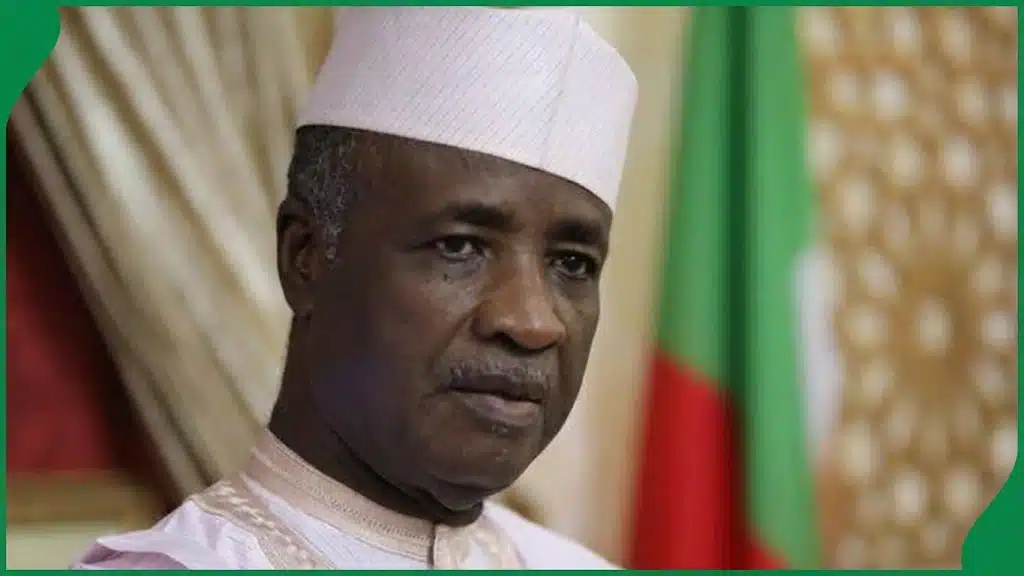
The All Progressives Congress (APC) in Sokoto State has formally inaugurated a robust 37-member campaign council, signaling the commencement of its strategic mobilization efforts ahead of upcoming electoral activities. The council, which is composed of seasoned political heavyweights and technocrats, will be spearheaded by the former Governor of Sokoto State and the current Senator representing Sokoto North, Aliyu Magatakarda Wamakko. This appointment, announced by the office of the state governor on Monday, underscores the party’s intent to consolidate its political foothold in the North-West region.
The announcement was made public by Abubakar Bawa, the spokesman for Governor Ahmed Aliyu, who himself will serve as the deputy chairman of the council. This structure suggests a high level of synergy between the party’s legislative leadership and the executive branch of the state government, a move analysts suggest is aimed at ensuring a unified front during the campaign season.
The Composition of the Strategic Council
The newly constituted council is a reflection of the APC’s expansive coalition in Sokoto. By integrating both federal appointees and state-level leaders, the party aims to synchronize its federal and local interests. Under the leadership of Senator Wamakko, who remains one of the most influential political figures in the state, the council features a hierarchical structure designed for operational efficiency.
Governor Ahmed Aliyu serves as the deputy chairman, providing the necessary executive backing to the council’s operations. The hierarchy further extends to include Engr. Idris Mohammed Gobir, the Deputy Governor, who has been designated as the first assistant chairman. The federal government’s presence in the council is solidified by the inclusion of the Minister of Labour and Employment, Muhammad Maigari Dingyadi, and the Minister of State for Works, Bello Goronyo, who serve as the second and third assistant chairmen, respectively.
Beyond these core leaders, the council is a tapestry of various political stakeholders. It includes the Speaker and Deputy Speaker of the Sokoto State House of Assembly, ensuring that the legislative arm of the state government is aligned with the party’s objectives. Furthermore, the inclusion of influential business figures like Umarun Kwabo AA, and seasoned political veterans such as former deputy governors Alhaji Chiso Abdullahi and Alhaji Mukhtari Shagari, indicates a broad-based approach to coalition building. The appointment of philanthropist Alhaji Murtala Abdulkadir Dan’iya adds a layer of grassroots appeal, which is often crucial in the socio-political landscape of Northern Nigeria.
The Operational Engine: A New Direction for Campaign Management
A critical component of this announcement is the appointment of Alhaji Isa Sadiq Achida, the former chairman of the APC in Sokoto State, as the Director-General of the campaign council. The role of Director-General is pivotal in any political campaign, as it involves the day-to-day management of logistics, strategy, and messaging. Achida, having previously led the party at the state level, brings a wealth of institutional knowledge to the position.
Supporting this administrative backbone is the Secretary of the council, Alhaji Aminu Dikko, who currently serves as the Chief of Staff to the Governor. This pairing of a veteran party strategist with a senior government administrator is indicative of a campaign that intends to balance political fervor with systematic governance.
Historical Context and Political Landscape in Sokoto
To understand the significance of this development, one must consider the historical political trajectory of Sokoto State. Historically, Sokoto has been a stronghold for various political movements, often characterized by strong patronage systems and the influence of traditional and religious institutions.
Senator Aliyu Magatakarda Wamakko has been a defining figure in Sokoto politics since his tenure as governor from 2007 to 2015. His transition from the executive to the legislature has not diminished his influence; rather, he has successfully transitioned into a power-broker role. The APC’s reliance on him to steer the campaign council serves as a testament to his ability to navigate the complex intra-party dynamics of the state.
In recent years, the political climate in Sokoto has seen significant volatility, with frequent shifts in party loyalty among key stakeholders. The ability of the APC to maintain a cohesive structure under the guidance of Wamakko is seen by political observers as a strategic maneuver to prevent fragmentation. By bringing together both the current executive, the legislature, and veteran party stalwarts, the APC is attempting to create an "all-hands-on-deck" scenario that maximizes voter outreach and minimizes internal friction.
Implications of the Strategic Appointments
The formation of this 37-member council carries several implications for the state’s political future. First, it highlights the importance of federal-state alignment. With two ministers serving in key positions within the council, the APC is signaling that it intends to leverage federal resources and policies to bolster its narrative in the state. This is particularly relevant in the context of ongoing developmental projects in the North-West, which the party will likely highlight during its campaigns.
Second, the diversity of the council suggests an effort to bridge the generational and ideological gaps within the party. By including both the younger generation of politicians and the older guard, the APC is attempting to project an image of stability and continuity.
Third, the appointment of a campaign council this early in the cycle indicates a proactive rather than reactive strategy. In the volatile environment of Nigerian politics, being the first to mobilize a structured council can provide a significant advantage in terms of public perception and logistical preparedness.
Fact-Based Analysis of Challenges
Despite the strong composition of the council, the APC faces a series of challenges. The current economic climate, characterized by inflation and the rising cost of living, remains a central concern for the electorate. While the campaign council will focus on mobilization, they will be forced to contend with the realities of governance as perceived by the citizens of Sokoto.
Furthermore, the opposition in Sokoto remains a potent force. The effectiveness of the Wamakko-led council will ultimately depend on their ability to articulate a clear vision for the state that resonates with the rural and urban populations alike. The inclusion of figures like Alhaji Murtala Abdulkadir Dan’iya—a philanthropist—is likely a strategic move to address social welfare issues, which could serve as a buffer against criticism regarding the state’s economic performance.
Looking Ahead: The Road to the Elections
The timeline for the operations of this council is expected to intensify as the electoral calendar progresses. The 37-member body is tasked with not only managing the logistics of the campaign but also with the crucial task of conflict resolution within the party ranks. As the council begins its operations, the following phases are anticipated:
- Consolidation Phase: The council will likely focus on harmonizing the various factions within the APC, ensuring that all local government chapters are aligned with the central command.
- Engagement Phase: This will involve the deployment of outreach teams to the various senatorial districts, focusing on grassroots mobilization and the dissemination of the party’s manifestos.
- Strategic Communication Phase: Under the guidance of the Director-General, the council will likely launch a media campaign aimed at highlighting the achievements of the current administration while countering the narratives put forth by the opposition.
The decision to appoint Senator Wamakko, a man with deep-rooted connections across the 23 local government areas of Sokoto, suggests that the party is prioritizing stability and institutional memory. As the state moves toward future electoral contests, the performance of this council will be closely watched by analysts, as it serves as a litmus test for the APC’s influence in Northern Nigeria.
Ultimately, the formation of this council is a reminder that in the high-stakes world of Nigerian politics, structure and leadership remain the primary currencies of success. Whether this 37-member team can translate its collective experience into electoral victory will depend on their ability to maintain unity and effectively communicate their agenda to a discerning electorate. As the campaign activities unfold, the focus will undoubtedly shift from the composition of the council to the actual impact of their policy proposals and their ability to mobilize the base in a competitive political environment.