
The political landscape of the United States shifted dramatically following the November 2026 midterm elections, as a decisive "blue wave" handed control of both the House of Representatives and the Senate to the Democratic Party. This congressional realignment marks a profound turning point for federal health policy, setting the stage for aggressive legislative rollbacks of the Trump administration’s signature initiatives, intensive congressional oversight investigations, and high-stakes clashes over public health agency leadership.
The election results, finalized in early November 2026, delivered a clear message from an electorate deeply dissatisfied with the direction of national health care. Voters registered sweeping disapproval of steep funding cuts to Medicaid and food assistance programs, controversial shifts in vaccine policy promoted by the "Make America Healthy Again" (MAHA) movement, and persistent economic pressures driven by high inflation and fuel costs. The outcome has upended the balance of power in Washington halfway through President Donald Trump’s second term, empowering a newly galvanized Democratic majority to challenge the executive branch on foundational issues of public health, scientific research, and health care access.

A Legislative Mandate Grounded in Healthcare Affordability and Economic Anxiety
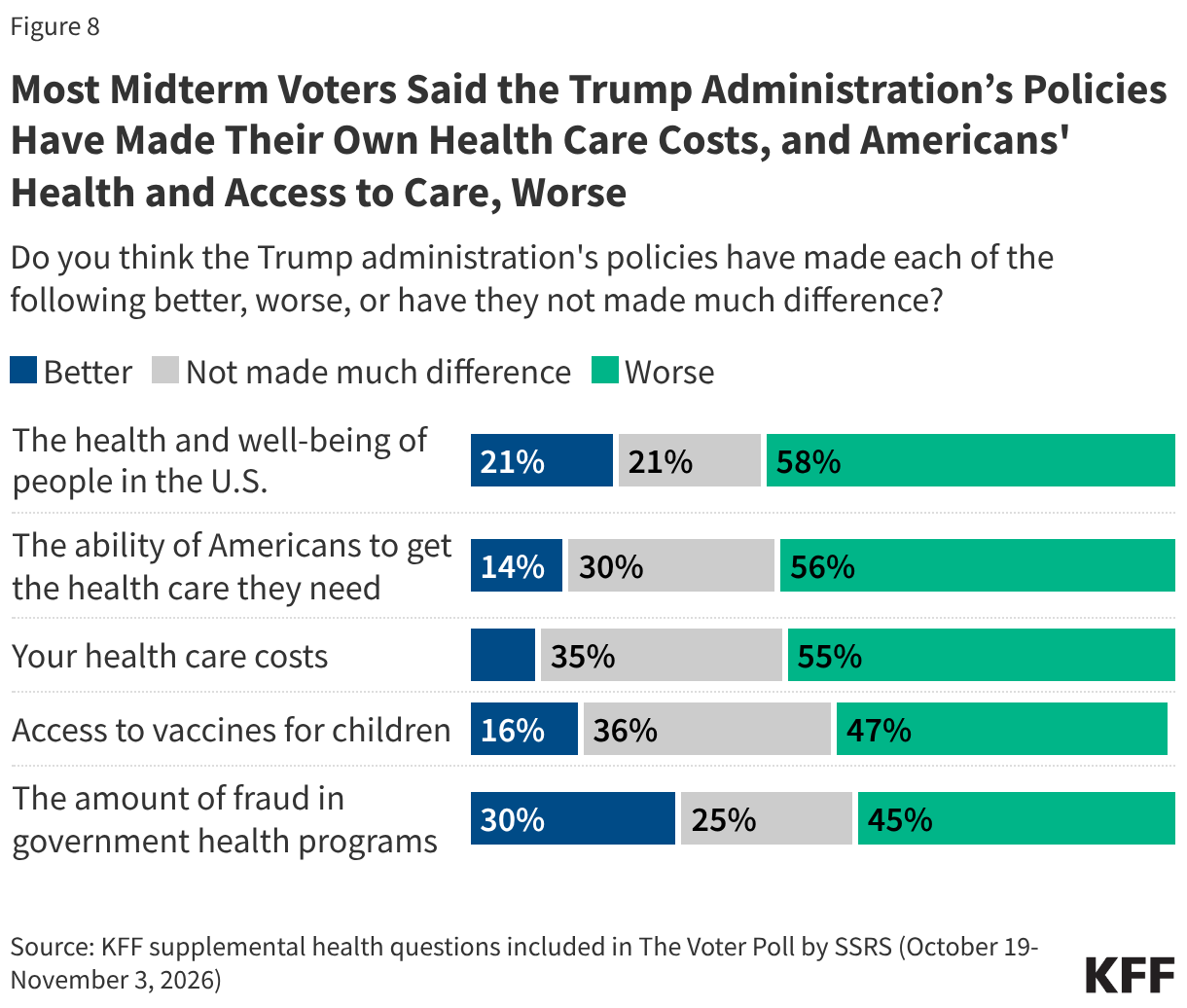
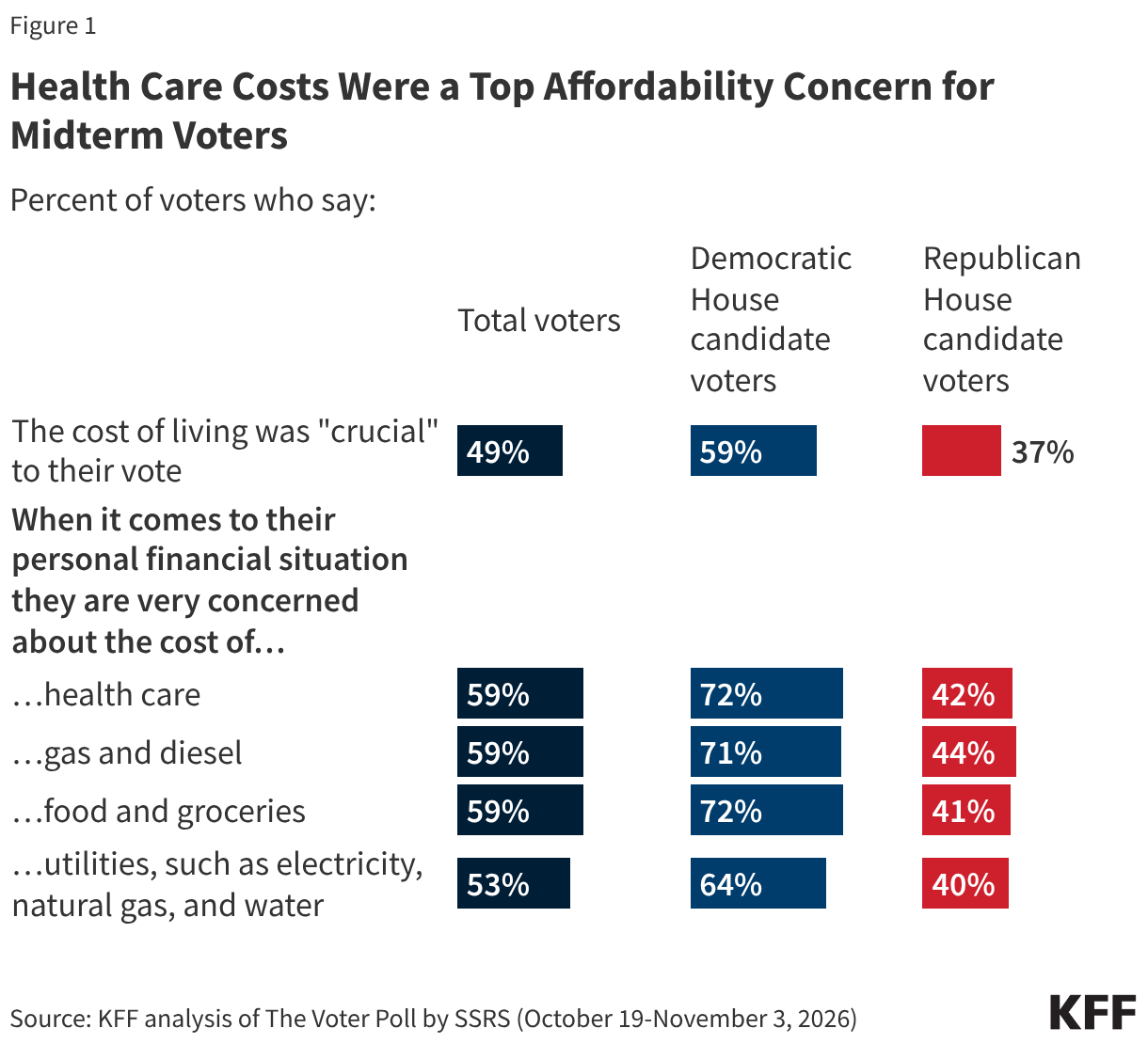
Exit polling from the 2026 midterms revealed that healthcare affordability and government integrity were paramount concerns for the American public. According to data compiled by the Kaiser Family Foundation (KFF), approximately six in 10 voters reported being "very concerned" about the escalating costs of medical care. Furthermore, over three-quarters of voters identified government corruption and corporate influence as top-tier issues shaping their ballots.
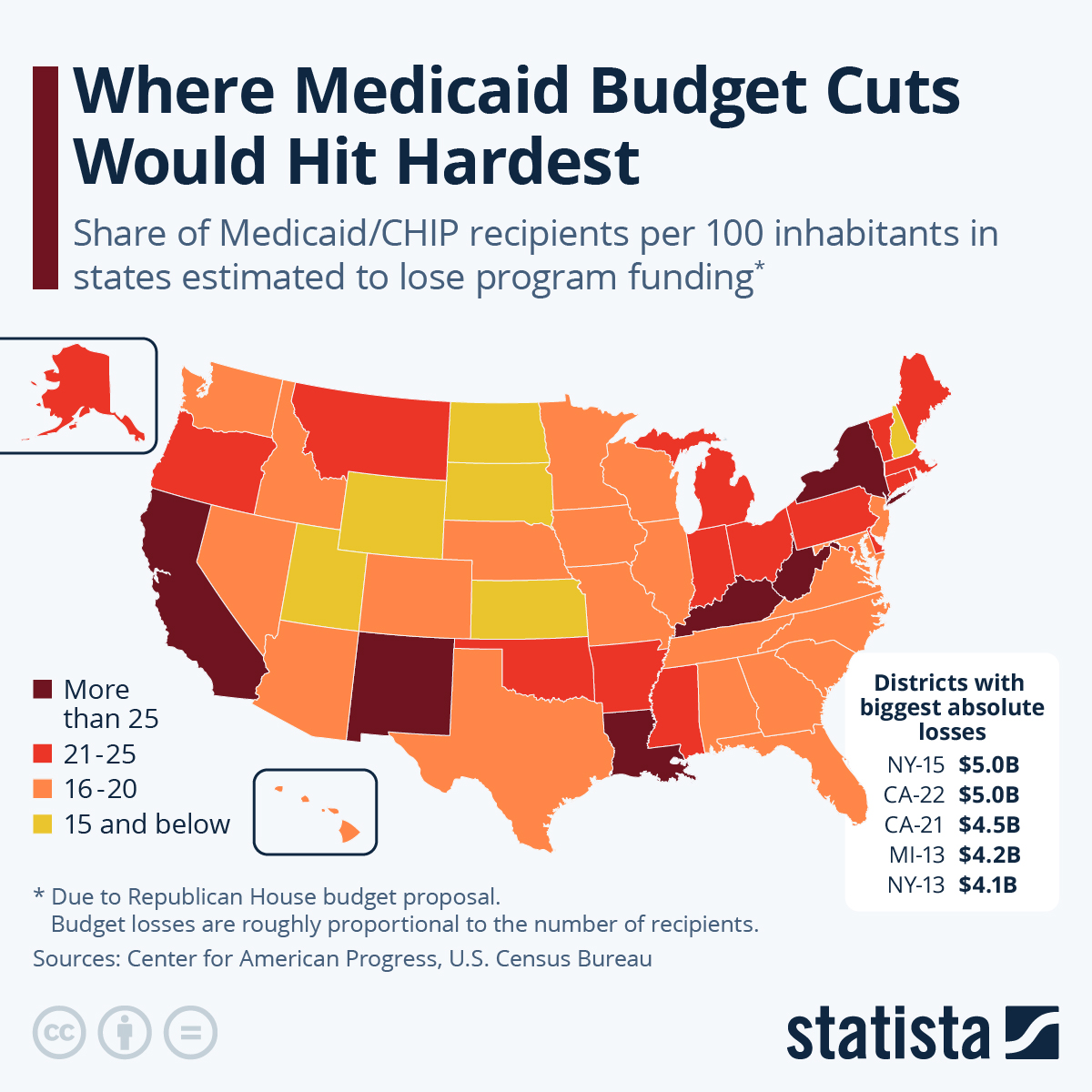
The electoral backlash heavily targeted the legislative actions of the incumbent Republican administration, most notably the sweeping policy measures enacted under the banner of the "Big Beautiful Bill" (HR1) in 2025. That legislative package introduced profound restructuring of the Affordable Care Act (ACA) marketplace, allowed crucial premium tax credits to expire, and imposed deep structural cuts to Medicaid. Concurrently, millions of low-income Americans experienced reduced access under the Supplemental Nutrition Assistance Program (SNAP).
Public opinion data indicated that a substantial majority of voters felt these policies directly worsened their financial security and access to essential medical services. The administration’s alignment with the MAHA movement—while initially framed as an effort to combat chronic disease by targeting ultra-processed foods, agricultural pesticides, and traditional vaccine schedules—faced severe voter skepticism. Critics and voters alike pointed to contradictory policy moves, such as executive actions supporting glyphosate production, as evidence of backroom compromises with corporate lobbies in agriculture, pharmaceuticals, and food manufacturing.
Congressional Realignment and New Committee Leadership
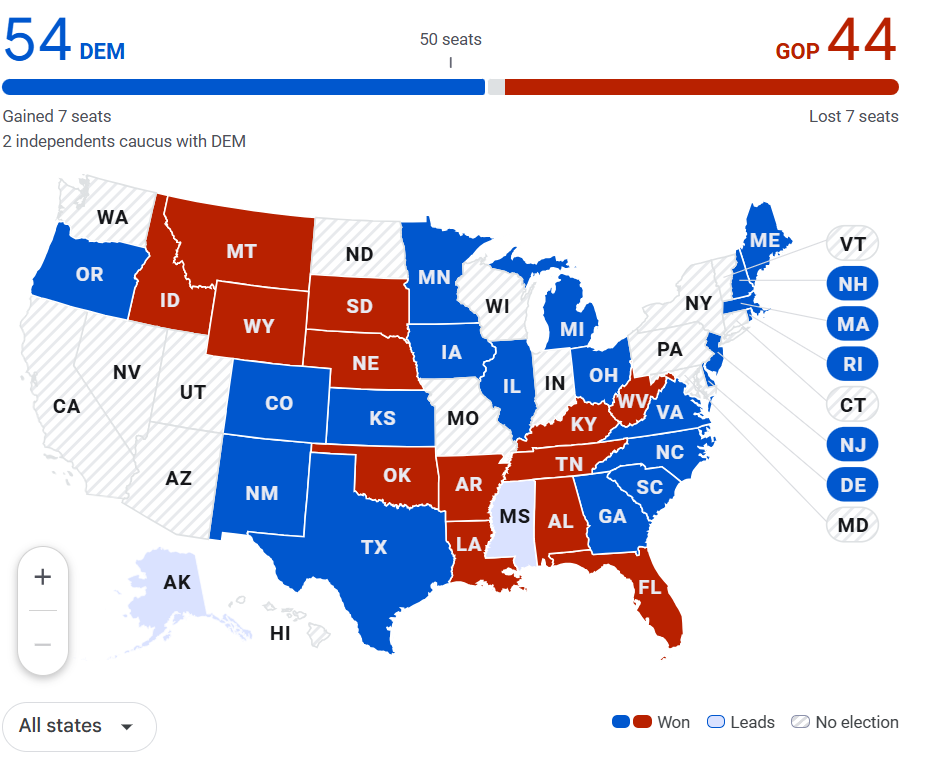
When the 120th Congress convenes in January 2027, Democrats will hold majorities in both chambers, securing 54 seats in the Senate and 254 members in the House. This institutional control grants the party command over crucial legislative committees with jurisdiction over health care, biomedical research, and environmental regulation.

In the Senate, veteran lawmaker Senator Bernie Sanders (I-VT), who caucuses with the Democrats, is poised to assume the chairmanship of the Senate Health, Education, Labor, and Pensions (HELP) Committee. The HELP Committee holds immense sway over public health legislation and federal biomedical programs, and it was responsible for conducting the contentious confirmation hearings for Health and Human Services (HHS) Secretary Robert F. Kennedy Jr. during the initial years of the administration. Several prominent Republican senators who previously shaped health policy, including doctor and HELP Committee chair Senator Bill Cassidy (R-LA) and biomedical research champion Senator Susan Collins (R-ME), lost their seats in the midterm shakeup.
Control of the Senate Appropriations Committee will similarly shift to the Democrats, granting the party strategic oversight over budgetary allocations for the National Institutes of Health (NIH), the Centers for Disease Control and Prevention (CDC), and other federal health agencies.
In the House of Representatives, key committees including Energy and Commerce, Appropriations, and Ways and Means will transition to Democratic leadership. Representative Frank Pallone (D-NJ) is positioned to lead the Energy and Commerce Committee—a panel with critical oversight over the Food and Drug Administration (FDA), NIH, and public health infrastructure. Meanwhile, Representative Rosa DeLauro (D-CT) is expected to steer the Appropriations Committee, and Representative Richard Neal (D-MA) is slated to lead Ways and Means. While these majorities empower Democrats to set legislative priorities, launch subpoenas, and summon executive branch officials for testimony, the party falls short of the 60-vote threshold required to overcome Senate filibusters and lacks the two-thirds supermajority needed to override a presidential veto.
The "First 100 Hours" Agenda: Reversing 2025 Cuts and Restoring NIH Funding
In anticipation of the congressional transition, House minority leadership, led by Representative Hakeem Jeffries (D-NY), circulated an ambitious legislative blueprint outlining immediate priorities for the first 100 hours and 100 days of the new session.
The core of the Democratic agenda focuses on undoing the legislative measures of the previous two years. Proposed bills include a formal repeal of the 2025 Medicaid coverage cuts, the reinstatement of expired ACA marketplace premium tax credits, and the restoration of full funding for SNAP.
Equally central to the incoming Congress’s agenda is the unfreezing of billions of dollars in National Institutes of Health funding. In 2025, the administration implemented restrictive limits capping institutional overhead cost funding at 15 percent, a policy that effectively severed approximately $9 billion in operational support for biomedical research institutions nationwide. These cuts forced universities and research hospitals to pause, freeze, or terminate thousands of ongoing clinical trials targeting cancer, HIV/AIDS, and neurological disorders.
Eminent public health scholars and economists, such as Harvard professors David Cutler and Edward Glaeser, criticized the administrative measures in academic journals, emphasizing that the financial blows sustained by the research enterprise threatened decades of medical innovation. Capitalizing on this sentiment, a new cohort of Democratic candidates with professional backgrounds in science and medicine successfully campaigned on platforms prioritizing the restoration of scientific funding.
Among them is Dr. Jasmine Clark, a microbiologist from Georgia, who made history as the first woman with a STEM PhD elected to Congress. Clark centered her campaign on rebuilding the analytical capacities of the CDC and NIH. "Years of research on life-changing issues like asthma, air pollution, cancer treatments, measles-rubella, and HIV have been lost due to attacks on science," Clark stated during her campaign.
A Surge of Health Professionals and the Focus on Affordability
The 120th Congress will feature a near-record influx of physicians, epidemiologists, and biomedical scientists entering federal service. Alongside Dr. Clark, incoming lawmakers include Dr. Annie Andrews, a pediatrician from South Carolina elected to the Senate, and Dr. Abdul El-Sayed, an epidemiologist from Michigan. Their campaigns heavily emphasized healthcare affordability and universal access models, resonating strongly with an electorate grappling with medical debt and insurance volatility.
This focus aligns closely with findings from public opinion researchers, who noted that economic pressures within the healthcare sector served as a primary driver of voter behavior. The rejection of Republican-led regulatory changes—particularly those marketed as fraud reduction or health promotion initiatives—reflected a broader public demand for stable, evidence-based healthcare governance.

Internal Turmoil Within the MAHA Movement and Industry Accusations
The political fallout from the midterms extended deeply into the "Make America Healthy Again" coalition, exposing internal fractures regarding the administration’s execution of its populist health platform. Calley Means, a senior advisor to HHS Secretary Robert F. Kennedy Jr. who resigned shortly before the elections, leveled serious accusations against the administration during a high-profile media interview. Means asserted that the MAHA agenda was systematically undermined by internal actors catering to corporate lobbying groups representing the ultra-processed food, pharmaceutical, vaping, and pesticide industries.
"Underneath Trump’s nose, you had a group of former lobbyists catering to the vaping industry, catering to the ultra-processed food industry, catering to the pharmaceutical industry, catering to the pesticide industry, and doing their bidding with an excuse that we need their money for the midterms," Means stated.

Discontent within the coalition was further amplified following executive actions that increased the production quotas for glyphosate, a controversial herbicide restricted in multiple international jurisdictions due to ecological and health concerns. The perceived failure of the administration to deliver meaningful structural reforms on the food supply alienated key populist constituents, creating an opening for congressional Democrats to incorporate popular elements of the MAHA platform—such as dietary reform and food safety standards—into their own legislative outreach.
Representative Chellie Pingree (D-ME), founder of the congressional "Fix Our Food Caucus," acknowledged the potential for bipartisan cooperation on food-as-medicine initiatives, provided the administration pivots away from vaccine skepticism. However, Pingree also confirmed plans to summon Environmental Protection Agency (EPA) leadership, including Director Lee Zeldin, to account for recent deregulatory rollbacks affecting environmental protections and chemical safety standards.
The Measles Resurgence and Calls for Accountability
Perhaps the most contentious flashpoint between the incoming Congress and the executive branch centers on the public health response to infectious disease outbreaks. Public health agencies have experienced severe workforce reductions and structural reorganizations over the past two years, coinciding with a dramatic resurgence of vaccine-preventable diseases.
The United States has recorded over 5,000 cases of measles in 2026—marking the highest infection rate since the 1990s—with several states reporting their first pediatric measles-related fatalities in over three decades. Critics, public health associations, and incoming lawmakers have directly attributed the crisis to declining vaccination rates fueled by skeptical rhetoric from federal health officials, including Secretary Kennedy’s public challenges to childhood immunization schedules.
The mounting public health crisis has prompted aggressive legislative maneuvers from Democratic leaders. Senator Bernie Sanders expressed openness when questioned regarding potential removal proceedings for Secretary Kennedy, stating, "We need a secretary of HHS who is concerned about the health and well-being of our kids and all Americans, not involved in crazy conspiracy theories."

Similarly, Senator Ralph Warnock (D-GA) issued a public ultimatum on social media, asserting that unless Secretary Kennedy is prepared to spend his tenure testifying continuously before legislative panels, he should step down. Newly elected Senator Annie Andrews echoed these sentiments, vowing to utilize congressional oversight powers to investigate federal mismanagement of the public health infrastructure.
As January 2027 approaches, the convergence of a newly empowered Democratic majority, an influx of medically trained legislators, and heightened public scrutiny over healthcare costs and disease control ensures that federal health policy will remain at the absolute center of the American political arena.