On the evening of November 8, 2016, the social and economic fabric of India was irrevocably altered in a matter of minutes. In a televised address that caught the nation off guard, Prime Minister Narendra Modi declared that, effective at midnight, all existing 500- and 1,000-rupee banknotes would be stripped of their legal tender status. This radical monetary policy, aimed at what the government described as a "surgical strike" against the "black economy," rendered 86.9% of the country’s currency in circulation invalid overnight. As the nation grappled with the logistical nightmare of replacing a vast majority of its cash, the move sparked a decade-long debate regarding the efficacy of shock therapy in economic governance.
The stated objectives of the demonetization exercise were ambitious: the government sought to unearth hoarded illicit wealth, curb rampant corruption, neutralize counterfeit currency notes suspected of fueling insurgencies, and push the nation toward a formal, digitalized economy. Prime Minister Modi framed the move as a "grand sacrifice" required for the long-term health of the country, urging citizens to endure the inevitable short-term hardships for the greater good of a cleaner, more transparent financial system.
A Chronology of the Crisis
The aftermath of the announcement was immediate and chaotic. Within hours, citizens across the country rushed to Automated Teller Machines (ATMs) and bank branches, leading to mile-long queues that would persist for weeks. The logistical failure to print and distribute new currency notes at the rate required created a severe liquidity crunch.
- November 8, 2016: Prime Minister Modi announces the immediate invalidation of ₹500 and ₹1,000 notes.
- November 10, 2016: Banks reopen, but are overwhelmed by demand; cash limits on withdrawals are strictly enforced.
- December 30, 2016: The deadline for depositing old notes into bank accounts expires, marking the end of the initial exchange period.
- August 2018: The Reserve Bank of India (RBI) publishes its annual report, revealing that 99.3% of the demonetized currency had returned to the banking system, effectively debunking the government’s hope that a massive hoard of "black money" would be wiped out.
- 2020-2026: The post-demonetization era sees a meteoric rise in digital payment adoption, even as physical cash circulation reaches record highs.
The Human and Economic Toll on the Informal Sector
While the government focused on the macro-economic narrative, the reality on the ground for millions of Indians was one of severe distress. India’s informal economy—which accounts for a significant portion of its GDP and employment—operates almost exclusively on cash. Small businesses, daily wage earners, and rural farmers were the hardest hit, as their primary means of transaction evaporated overnight.
Reports surfaced of laborers unable to receive their wages, small-scale entrepreneurs being forced to shutter their shops, and families struggling to afford basic necessities like food and medicine. The crisis was not merely financial; it was profoundly human. Stories of individuals collapsing in long bank queues, waiting for hours to exchange their life savings, became a tragic emblem of the era. Joe Athialy, executive director of the Center for Financial Accountability, noted that the burden fell disproportionately on those without institutional support, effectively penalizing the poor for the crimes of the wealthy.
Economists, such as Arun Kumar, have long argued that the policy was predicated on a fundamental misunderstanding of how illicit wealth is held in India. Wealth generated through corruption is rarely kept under mattresses in cash; rather, it is typically converted into real estate, gold, foreign currency, or offshore assets. By targeting cash, the government disrupted the livelihoods of the working class while leaving the actual conduits of the black economy largely untouched.
Analyzing the "Black Money" Hypothesis
The 2018 RBI report served as the primary catalyst for skepticism regarding the policy’s success. With 99.3% of the invalidated currency finding its way back into the banking system, it became clear that the vast majority of "black money" had either been laundered or was never held in cash to begin with. The expected "windfall" for the government—money that would remain unreturned and thus boost the RBI’s balance sheet—did not materialize.
Furthermore, the institutional independence of the Reserve Bank of India faced scrutiny. Critics questioned how such a far-reaching decision was reached and whether the central bank was given sufficient space to exercise its mandate. The lack of accountability for the economic contraction that followed remains a point of contention among policymakers and civil society organizations today.
The Digital Dividend: A Silver Lining or a Coincidence?
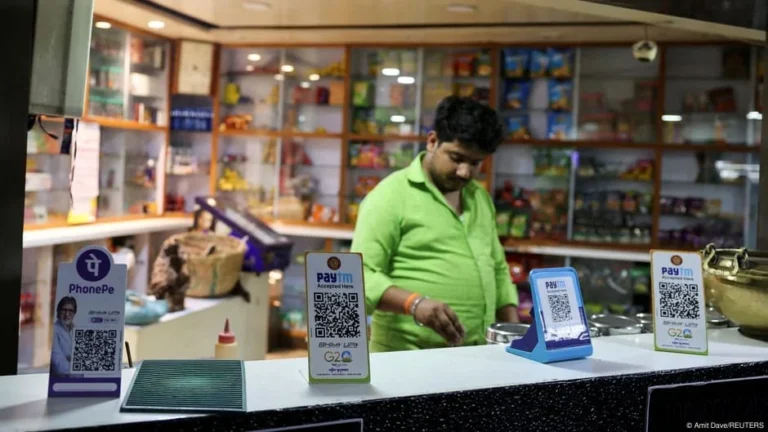
One of the few undisputed legacies of the 2016 exercise is the acceleration of India’s digital payment infrastructure. The Unified Payments Interface (UPI), which had been introduced in August 2016, saw a massive surge in usage as a direct consequence of the cash shortage. The government heavily promoted digital transactions as the future of the Indian economy.
By 2025-26, the success of UPI was undeniable. The platform processed 241.6 billion transactions in that fiscal year, amounting to 314.2 trillion rupees. This shift has indeed brought millions into the formal financial fold, providing a digital trail for transactions that were previously opaque.
However, experts like Professor Lekha Chakraborty warn against crediting demonetization as the sole driver of this transition. "Digital payments largely continued a trend that was already under way before the currency ban," she observed. While the shock of 2016 acted as a catalyst, the success of the digital ecosystem was also due to concurrent infrastructure developments, mobile penetration, and the efforts of private fintech companies.
The Persistence of Cash
Perhaps the most ironic outcome of the decade is the current state of physical currency. Despite the government’s push for a "less-cash" economy, the amount of cash in circulation has not diminished; in fact, it has ballooned. As of October 23, 2026, the value of banknotes in circulation stood at 43.15 trillion rupees, a staggering increase from the 17.97 trillion rupees recorded in November 2016.
This suggests that while Indians have embraced the convenience of digital payments for everyday purchases, they still rely heavily on cash as a store of value and a preferred medium for a wide range of transactions. The dream of a cashless society remains distant, and the role of physical currency in the Indian economy has proven to be remarkably resilient.
Broader Implications and Institutional Legacy
Ten years later, the consensus among many economists is that the costs of demonetization—measured in lost GDP growth, the destruction of small-scale enterprises, and the immense social hardship—far outweighed the benefits. The exercise demonstrated the limits of using blunt administrative instruments to solve deep-seated structural issues like corruption.
The policy serves as a case study for future economic planners: shock policies can alter the behavior of a populace, but they cannot replace the necessity of long-term, institutional reform. The "black economy" in India, which was the primary target, remains largely intact, albeit shifted into different asset classes.
As India continues its trajectory as a major global power, the 2016 demonetization stands as a defining moment in its modern history. It is remembered as a period of profound disruption that tested the resilience of the Indian public and fundamentally shifted the country toward a digitalized financial future. Yet, it also remains a sobering reminder that economic policy, when divorced from the realities of the most vulnerable, can have lasting consequences that outlive the original, idealistic promises of its architects. The legacy of November 8, 2016, is not one of a "cleansed" economy, but one of a nation that learned to navigate a more digital world while still grappling with the same underlying challenges of wealth inequality and structural corruption.