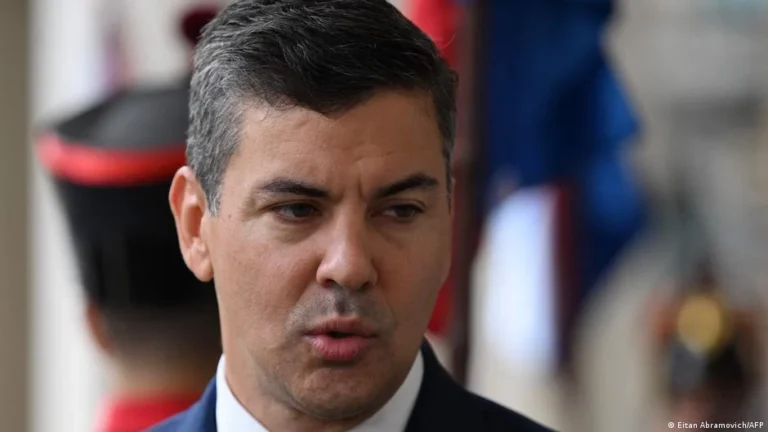
The collapse of Ueno Bank has rapidly evolved from a localized financial failure into the most significant systemic crisis in contemporary Paraguayan history. As of mid-November 2026, the nation remains in a state of institutional paralysis, with the administration of President Santiago Peña facing existential threats following the intervention of the Central Bank of Paraguay (BCP) on November 3. The crisis, which has frozen the assets of nearly three million depositors—roughly 40% of the country’s population—has exposed deep-seated vulnerabilities in the nation’s regulatory oversight and ignited a fierce battle over presidential immunity.
The Anatomy of the Collapse
Ueno Bank, a digital-first financial institution operated by the powerful conglomerate Grupo Vazquez, had been the darling of Paraguay’s fintech revolution since its inception in 2021. Its rapid ascent, characterized by aggressive marketing and a massive user base, was intended to modernize the country’s banking sector. However, internal audits prompted by the BCP revealed a fragile foundation.
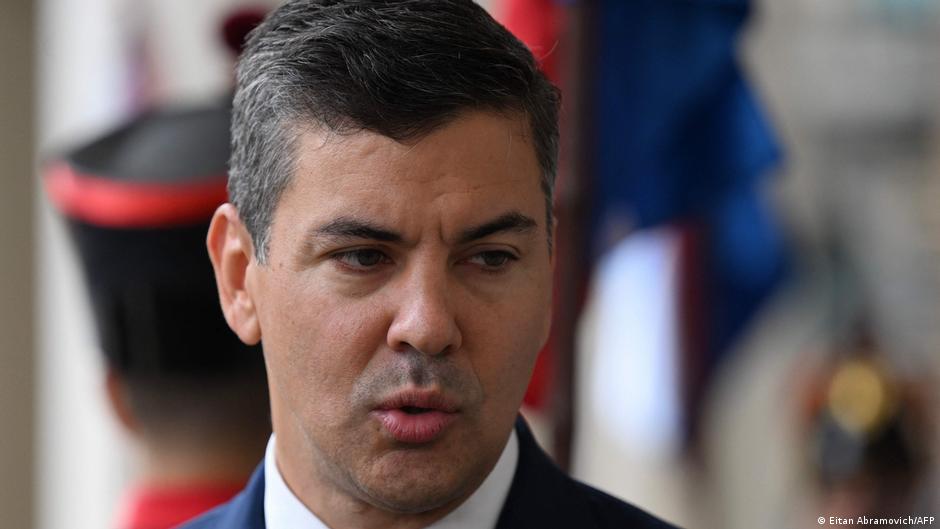
The BCP’s decision to initiate resolution procedures on November 3 was predicated on a catastrophic breach of solvency requirements. Regulators found that the bank had systematically utilized customer deposits to extend excessive, unsecured loans to other entities within the Grupo Vazquez ecosystem. By masking the true extent of these related-party transactions, the bank’s leadership effectively hollowed out its capital reserves, leaving it unable to fulfill withdrawal requests. When the suspension was announced, the sudden liquidity crunch sparked immediate panic, leading to protests across Asunción as citizens found themselves unable to access their life savings.
Chronology of the Crisis
The unfolding of events has been swift and chaotic, reflecting the urgency of the financial contagion:
- November 3, 2026: The Central Bank of Paraguay intervenes, suspending Ueno Bank’s operations. Carlos Carvallo, the president of the BCP, tenders his resignation following intense public scrutiny regarding his previous leadership role at the firm that became Ueno.
- November 4, 2026: The Public Prosecutor’s Office launches three formal investigations into financial malfeasance. Twenty-seven individuals, including eight senior Ueno executives and nineteen associates of Grupo Vazquez, are charged with crimes ranging from breach of trust to document fraud.
- November 5, 2026: President Santiago Peña offers his resignation to the Congress. The Chamber of Deputies rejects the resignation, opting instead to initiate formal impeachment proceedings.
- November 6-7, 2026: A joint legislative session aimed at finalizing the resignation fails to reach a quorum, effectively trapping the country in a power vacuum. Meanwhile, a judge orders the incarceration of Federico Miguel Vazquez Villasanti, the head of Grupo Vazquez, alongside house arrest for several other key figures.
Financial Exposure and Public Funds
The scale of the collapse is exacerbated by the significant exposure of public institutions to Ueno Bank. Data suggests that the Instituto de Previsión Social (IPS), the agency managing the pensions and health insurance of Paraguayan workers, held between $800 million and $850 million in deposits at the bank. The decision to concentrate such a massive portion of public wealth in a single private, digital-only institution has raised severe questions regarding the fiduciary responsibilities of the state.

Independent economists have noted that the concentration of these funds reflects a pattern of institutional capture. While the government maintains that these investments were vetted, the lack of transparency in the selection process suggests that political patronage may have superseded standard risk-management protocols. The loss of these funds threatens not only individual savers but the solvency of the nation’s social security infrastructure.
The Political Crucible: The President’s Dilemma
The political fallout centers on the personal and professional ties between President Santiago Peña and the stakeholders of Ueno Bank. Although Peña maintains he severed his business ties with Grupo Vazquez in March 2025, the proximity of his administration to the conglomerate’s leadership has fueled public outrage.
The impeachment proceedings are particularly high-stakes due to the constitutional implications of the president’s status. In Paraguay, former presidents are granted the title of "senator for life," which carries with it significant parliamentary immunity from criminal prosecution. Should Peña resign on his own terms, he would secure this lifetime immunity, effectively insulating him from the ongoing financial investigations. By pursuing impeachment, the opposition aims to remove him from office in a manner that strips him of this protection, potentially exposing him to criminal charges regarding his role in the oversight—or lack thereof—of the bank.

Regulatory Failure and Systemic Implications
The crisis has placed the independence of the Central Bank under a microscope. The controversial appointment of Carlos Carvallo in 2023—a man who previously chaired the parent finance company of Ueno Bank—is now viewed by many legal experts as a textbook case of regulatory capture. The delay in intervention, despite early indicators of liquidity issues, suggests that the BCP may have been influenced by political pressure to shield the institution until the situation reached an irreversible point.
"This is not merely a bank failure; it is a systemic failure of the Paraguayan state," said a representative from a local economic policy think tank. "When the regulator and the regulated are linked by such clear conflicts of interest, the entire financial system loses its credibility."
Economic Recovery and Customer Protection
As the liquidation process begins, the government has scrambled to implement damage control measures. A legislative package has been fast-tracked to allow for the immediate payout of up to $20,000 per saver, a move intended to quell public unrest. However, with the total deposits exceeding the protected limit for many, tens of thousands of citizens remain in financial limbo.

The path forward for Paraguay is fraught with uncertainty. The potential for a complete turnover in the executive branch remains high, as the Chamber of Deputies continues to push for impeachment. If the Senate moves forward with the trial, the resulting vacuum would see Vice President Pedro Alliana assume the presidency. However, the legitimacy of such a transition is being challenged by supporters of the current administration, who claim the impeachment process is politically motivated.
Looking Ahead: A Nation in Flux
The Ueno Bank scandal serves as a stark reminder of the risks inherent in rapid, under-regulated financial expansion in emerging markets. Beyond the immediate economic impact, the crisis has catalyzed a broader movement demanding greater transparency in public administration.
For the average Paraguayan citizen, the immediate concern is the recovery of their assets. For the political class, the focus has shifted to the survival of the current constitutional order. As investigations continue and the political standoff persists, the nation watches with bated breath, waiting to see if its institutions can survive a scandal that has brought them to the brink of collapse. The resolution of this crisis will likely define the parameters of Paraguayan politics and financial regulation for the next decade, setting a precedent for how the state handles the nexus of corporate power and public governance.