In a high-stakes counter-terrorism operation that highlights the intensifying shadow war between Western intelligence services and the Russian state, a 41-year-old active-duty member of the United States Army was taken into custody near the city of Gloucester in the United Kingdom on Tuesday. The arrest, executed by British counter-terrorism police in close coordination with American federal authorities, has sent shockwaves through the defense establishment, raising immediate questions regarding potential breaches of highly classified intelligence and the vulnerabilities posed by insider threats within the US military apparatus.
The Metropolitan Police confirmed that the suspect, whose identity has not been disclosed due to ongoing legal protocols, was detained as part of a multi-agency investigation targeting national security concerns. While specific charges remain under seal as the investigation deepens, police officials have explicitly stated that the allegations pertain to activities involving the Russian Federation. Following the arrest, specialized officers conducted detailed searches at two separate locations within the Gloucestershire region, an area known for its density of sensitive military and signals intelligence installations.
A Chronology of a Sensitive Investigation
The apprehension of the soldier was the culmination of a months-long surveillance and intelligence-sharing operation. According to sources familiar with the matter, the investigation was triggered when suspicious patterns in the handling of classified data were detected by internal US military oversight mechanisms. Recognizing the potential for a significant security compromise, US military counterintelligence initiated a joint task force with the FBI and the UK’s Counter Terrorism Policing command.
While the exact timeline of the alleged espionage or security breach remains classified, the investigation gained momentum throughout the autumn. By early Tuesday morning, law enforcement agencies moved to secure the suspect, who was subsequently transported to a high-security police station in London for questioning. The decision to make the arrest in the United Kingdom suggests that the alleged illicit activity may have been taking place on British soil or involved assets located within the UK’s jurisdiction.
Strategic Geography: The Gloucestershire Hub
The location of the arrest—Gloucestershire—is not incidental. The region serves as a nexus for the Anglo-American intelligence and defense infrastructure. Situated within close proximity to the arrest site is Cheltenham, the headquarters of the Government Communications Headquarters (GCHQ), the United Kingdom’s signals intelligence and cybersecurity agency. The "Doughnut," as the facility is colloquially known, is one of the most secure buildings in the world and serves as a primary node in the Five Eyes intelligence-sharing network, which includes the US, UK, Canada, Australia, and New Zealand.
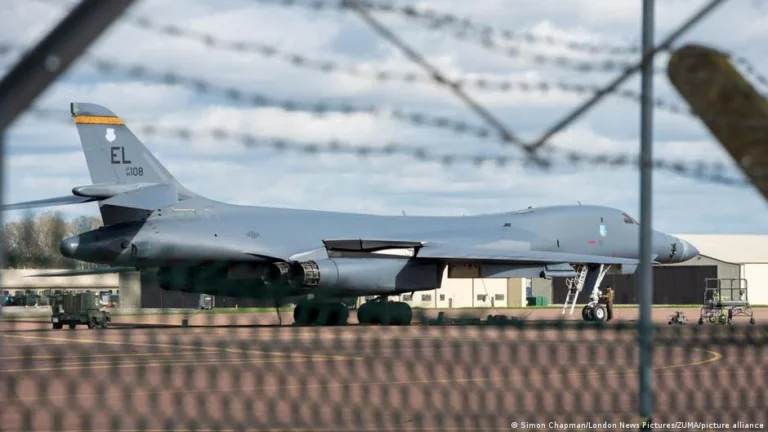
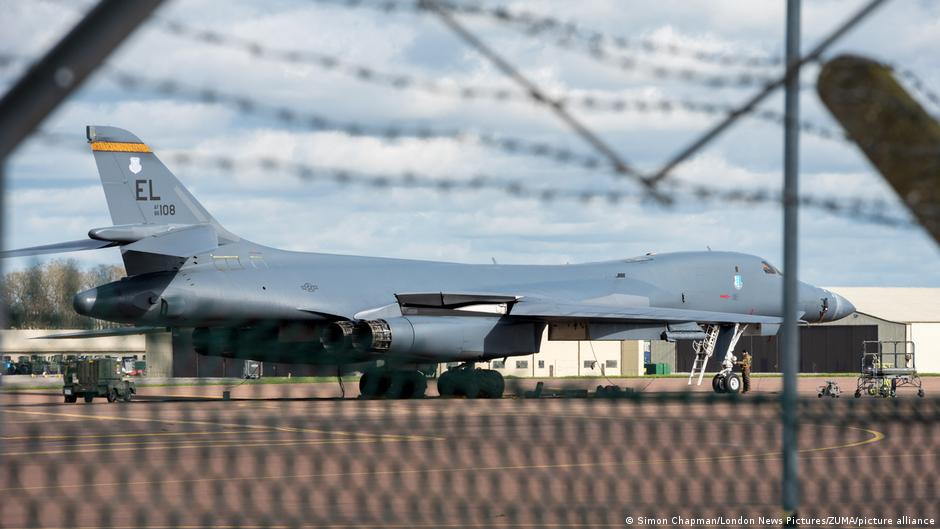
Furthermore, the region is home to RAF Fairford, a vital airbase utilized by the United States Air Force for strategic bomber missions and global operations. Earlier this year, RAF Fairford experienced a separate security scare involving suspected foreign interference, underscoring the persistent attempts by state actors to surveil or disrupt Western military operations in the area. The proximity of these installations to the suspect’s base of operations suggests that the investigation may involve efforts to compromise signals intelligence, logistical planning, or operational security protocols critical to the transatlantic alliance.
Official Responses and the Gravity of the Allegations
The collaborative nature of the arrest reflects a unified front against what Western intelligence agencies describe as an "aggressive and persistent" threat from Russian state actors. Deputy Assistant Commissioner Vicki Evans, the Senior National Coordinator for Counter Terrorism Policing, characterized the event as a "significant arrest" that underscores the depth of cooperation between the two nations. "The allegations are serious and our investigation is very much ongoing," Evans stated during a press briefing, emphasizing that the police are currently focused on preserving evidence and determining the full extent of the potential compromise.
The FBI’s involvement in the case signals the potential for long-term federal prosecution. FBI Director Kash Patel issued a stern public statement, framing the arrest as a necessary measure to protect the integrity of the US military. "While this investigation is continuing, I want to send a clear message—this FBI has no tolerance for anyone who breaks their oath to the United States and whose actions endanger our national security and that of our partners," Patel remarked. He further extended his gratitude to the US Army Counterintelligence Command and their British counterparts, whose inter-agency synergy proved essential in closing the net on the suspect.
From the perspective of the US Army, the arrest serves as a grim validation of the "insider threat" doctrine. Brigadier General Sean Stinchon, the commanding general of the US Army Counterintelligence Command, noted that the incident is a sobering reminder of the realities of modern warfare. "The alleged conduct of a senior soldier, entrusted with sensitive information, is a sobering reminder that insider threats are real and persistent," Stinchon said. He emphasized that the counterintelligence community remains resolute in its mission to identify and neutralize threats originating from within the ranks, regardless of the seniority or security clearance level of the individual involved.
Implications for US-Russia Relations and Security Policy
The arrest of a US soldier on charges related to Russia is likely to have significant geopolitical reverberations. At a time when the war in Ukraine has strained US-Russian relations to their lowest point since the Cold War, the revelation that a member of the US military may have been acting in the interest of Moscow—or sharing sensitive information with Russian intelligence services—will almost certainly lead to a sweeping audit of how the US military vets personnel with access to top-secret material.
Historically, espionage cases involving US military personnel have led to major reforms in security clearance protocols, such as the implementation of "continuous evaluation" programs that monitor the financial, personal, and behavioral lives of those with high-level access. This case will likely accelerate the adoption of advanced AI-driven tools for detecting anomalies in digital behavior and data handling.
Moreover, the incident places pressure on the UK’s internal security apparatus. With the rise of hybrid warfare—a strategy that combines conventional military posturing with cyberattacks, sabotage, and espionage—the UK government has been under increasing scrutiny regarding its ability to secure its borders and sensitive sites from foreign penetration. The success of this joint operation may be framed as a success for Western security, yet it also highlights the persistent, creeping threat posed by state-sponsored actors seeking to infiltrate the highest levels of the defense establishment.
Conclusion
As the investigation enters its next phase, the focus will shift from the arrest to the legal proceedings and the long-term forensic analysis of the material the suspect allegedly compromised. For the US military, the priority will be damage mitigation: determining which specific intelligence was exposed, how it might affect ongoing operations in Europe, and what measures are required to close the gaps identified during this breach.
The arrest in Gloucester is not merely an isolated criminal matter; it is a manifestation of the "Great Power" competition that defines the current era. As Western powers continue to provide support to Ukraine and maintain a forward military presence in Europe, the shadow war of intelligence and counterintelligence will remain a constant, high-stakes battleground. This arrest stands as a testament to the vigilance required to protect the sanctity of the intelligence alliance, serving as a stark warning that in the digital age, the most dangerous battlefield is often the one hidden within the ranks of one’s own forces.