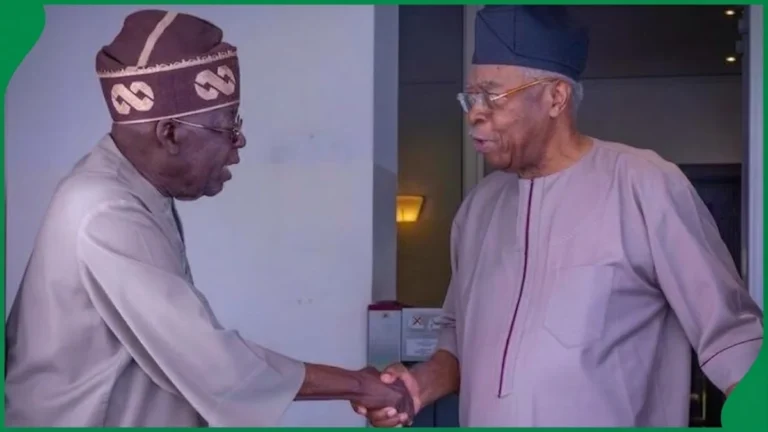
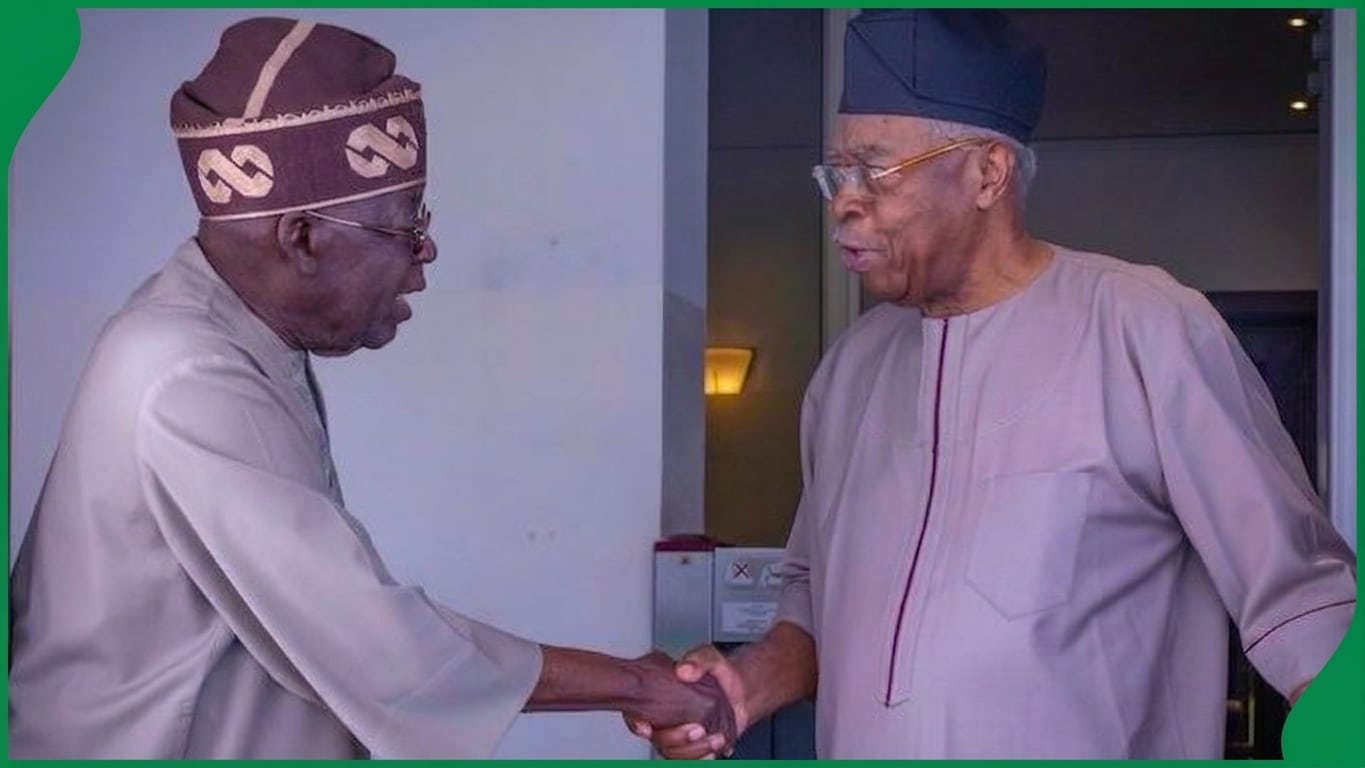
The endorsement of President Bola Tinubu’s 2027 re-election bid by the elder statesman and former Chief of Army Staff, Lieutenant General Theophilus Yakubu Danjuma (rtd), has become a focal point of intense political discourse in Nigeria. As the nation inches closer to the January 16, 2027, presidential election, this development has drawn varied interpretations from political analysts and observers. According to Sumner Sambo, the Political Editor at Arise News, the support from the influential retired General is far from surprising, given the long-standing, deep-rooted personal and strategic relationship between the two figures.
The Dynamics of a Long-Standing Alliance
During an appearance on the Arise Television "Morning Show" on November 9, 2026, Sumner Sambo elucidated that the alignment between President Tinubu and General Danjuma is rooted in decades of mutual history. The professional and personal synergy between the two leaders has often transcended partisan politics. Analysts point out that beyond the personal rapport, there are significant economic and structural ties that bind these political heavyweights.
General Danjuma, whose influence spans across the Nigerian military establishment and the private sector, holds vast business interests in Lagos, the state where President Tinubu served as governor for eight years and established his political hegemony. This commercial footprint, particularly in maritime and real estate sectors within the nation’s economic nerve center, creates a natural convergence of interests. Sambo noted that given these extensive business interdependencies, it is entirely logical for a seasoned strategist like Danjuma to maintain a cooperative relationship with the current administration.
Controversy Surrounding Religious Consultations
While the endorsement has solidified support in some quarters, the Tinubu administration is simultaneously navigating internal friction regarding its outreach to religious groups. Reports have surfaced concerning a recent meeting between the President and a delegation of religious leaders, which has sparked discontent, particularly among clergy in the North Central region.
According to Sambo’s analysis, the grievance stems from the perceived lack of inclusivity in the selection of the delegation. North Central religious leaders have publicly questioned why only one Christian representative was "handpicked" to interface with the President on their behalf. The exclusion of broader religious and regional representation has been interpreted by some as a tactical misstep. Critics argue that such top-down arrangements fail to capture the diverse voices of the North Central, a region that remains critical to the electoral arithmetic of the 2027 cycle. This sense of exclusion has provided ammunition for opposition critics who argue that the administration is struggling to maintain a delicate balance between its political objectives and the diverse sociocultural landscape of Nigeria.
The 2027 Electoral Campaign Trail: The Ebonyi Factor
While these discussions unfold in the capital, the All Progressives Congress (APC) has been actively mobilizing support across the federation. On November 9, 2026, the party held a high-profile presidential campaign rally in Abakaliki, Ebonyi State. Representing President Tinubu, Vice-President Kashim Shettima delivered a strong message to the electorate, emphasizing the administration’s focus on infrastructure development and economic interventionist policies.
The Ebonyi rally served as a platform for the administration to showcase its achievements in the South-East, a zone where the APC has historically sought to expand its footprint. Vice-President Shettima underscored the importance of the "top to bottom" voting strategy, urging residents to support APC candidates across all tiers of government. This strategy is essential for the administration to ensure a seamless legislative process and executive implementation should they secure a second term. The administration’s narrative centers on the completion of key road networks, agricultural support schemes, and localized industrial incentives, which they argue have positioned Ebonyi for greater economic autonomy.
Historical Context and Political Timeline
To understand the significance of these developments, one must look at the timeline of the current political cycle. The road to the January 16, 2027, election has been characterized by early maneuvering and intense consolidation efforts.
- Mid-2026: Political parties began internal restructuring, focusing on candidate primaries and the solidification of regional alliances.
- September 2026: President Tinubu officially signaled his intent to seek re-election, focusing his platform on the consolidation of "Renewed Hope" initiatives.
- October 2026: High-level diplomatic and domestic outreach began, involving key power brokers like General Danjuma to stabilize support in the North.
- November 9, 2026: The official campaign rally in Abakaliki and the public disclosure of the Danjuma endorsement marked a significant acceleration in campaign tempo.
This timeline reflects a deliberate effort by the incumbent to neutralize potential opposition by securing the backing of traditional power centers early in the cycle.
Implications for the 2027 Election
The political implications of these events are multidimensional. First, General Danjuma’s support acts as a signal to other neutral or undecided stakeholders in the Northern establishment. His influence is not merely restricted to the military; he commands significant respect among diverse ethnic groups in the Middle Belt and North East. By aligning with the President, he provides a layer of credibility that the APC is keen to leverage to mitigate the impact of the ongoing economic challenges facing the populace.
However, the administration’s difficulty in managing religious optics poses a potential risk. Nigeria’s political landscape is highly sensitive to religious and regional identity politics. If the dissatisfaction in the North Central is not addressed through more inclusive dialogue, it could result in voter apathy or a shift toward regional opposition movements.
Furthermore, the emphasis on the "top to bottom" strategy in places like Ebonyi indicates that the APC is wary of the "split-ticket" phenomenon, where voters might support a presidential candidate but opt for local opposition candidates. By pushing for a uniform party vote, the administration aims to secure a mandate that allows for cohesive policy implementation, though this approach faces resistance from localized grassroots movements that prioritize independent-minded candidates.
Expert Analysis and Future Outlook
Political analysts suggest that the coming weeks will be crucial for the President’s campaign. The focus will likely shift toward reconciling with aggrieved regional leaders while simultaneously accelerating the delivery of "quick-win" infrastructure projects. The narrative of the 2027 election is increasingly becoming a battle between the incumbent’s record of infrastructure and the opposition’s focus on the cost-of-living crisis.
For General Danjuma, his endorsement is viewed by many as a calculated move toward stability. His long-term association with the political class suggests that he views the current administration as the most viable option for maintaining national cohesion during a period of transition. Nevertheless, as the rhetoric heats up, the administration will need to demonstrate that its political alliances—such as the one with Danjuma—are accompanied by policies that resonate with the average Nigerian, who remains largely concerned with inflation, security, and access to basic amenities.
In conclusion, while the backing of senior statesmen provides a strategic advantage, the 2027 election will ultimately be decided by the administration’s ability to navigate the complex socio-religious currents of the country. The upcoming months will be a test of whether the APC can translate these high-level endorsements and regional rallies into a durable coalition capable of overcoming the electoral challenges posed by a dynamic and increasingly demanding electorate. The interplay between traditional political influence and grassroots concerns will remain the defining feature of this electoral cycle.