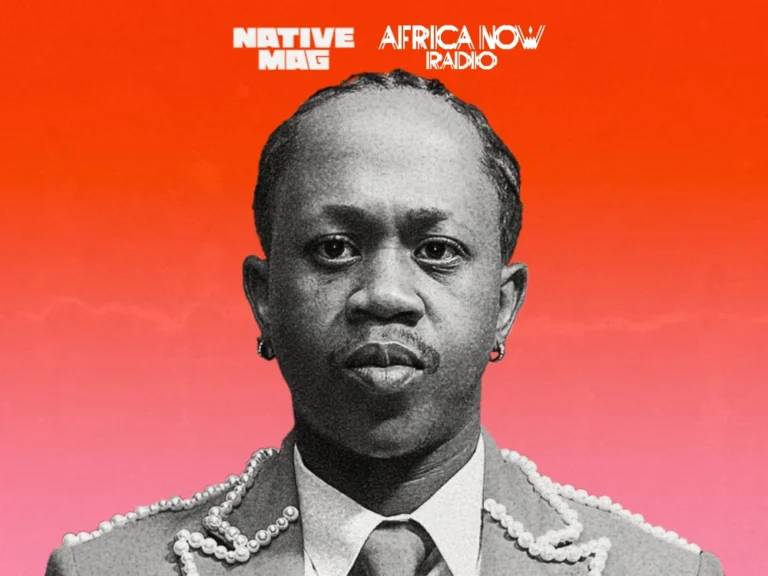
Five years have elapsed since the explosive arrival of Young Stunna, the South African vocal powerhouse who redefined the Amapiano genre with his cross-continental anthem, "Adiwele." Since that breakout moment, the artist—born Sandile Msimango—has navigated the labyrinthine pressures of global stardom, evolving from an emerging talent into one of the most resonant voices in contemporary African music. His sophomore studio album, Busisiwe, arrives not merely as a collection of tracks, but as a cathartic milestone, acting as both a meditative palate cleanser and a formal document of thanksgiving. Named in honor of his late great-grandmother, the 16-track project serves as a bridge between his humble beginnings and his current status as a propulsive force in the music industry.
A Chronology of Success: From Adiwele to Busisiwe
The trajectory of Young Stunna’s career over the last half-decade has been defined by a rapid ascent and an unwavering commitment to his craft. Following the massive success of "Adiwele," which became a cultural touchstone across the continent, Stunna faced the quintessential challenges of modern fame: the intrusion of public scrutiny, the demands of a relentless touring schedule, and the internal struggle to maintain personal integrity in a transactional industry.
The period between his debut and the release of Busisiwe has been marked by a transition from a newcomer finding his footing to a seasoned artist practicing intentionality. According to the artist, the interim years were a lesson in spiritual and mental fortitude. By his own admission, the music industry "introduces you to a lot of things and a lot of people," necessitating a disciplined approach to one’s surroundings. This awareness has become a hallmark of his artistic identity, as he now approaches his creative output as a means of processing the complexities of his reality.
The Significance of Busisiwe: Honoring Roots
The album’s title, Busisiwe, is a tribute to the maternal figure who anchored his early life. The artist describes his great-grandmother as his primary benefactor, a woman whose prayers and tangible support provided the foundation upon which his career was built. In a music industry that often prioritizes viral moments over familial legacy, Stunna’s dedication to her memory acts as a grounded anchor.
"She prayed for me a lot," Stunna reflects. "I feel like I’m celebrating everything she manifested for me in her prayers. This album comes from her name because I feel like I’m celebrating everything that I’ve gone through—the good and the bad." This perspective suggests that the project is not merely an attempt to replicate the success of his debut, but an effort to archive his personal growth. He notes that the "bad" experiences—the industry pitfalls and personal exhaustion—taught him resilience, while the "good" times mandated a rigorous work ethic.
Production and Creative Process
The sonic landscape of Busisiwe is characterized by its remarkable versatility, a feat achieved in collaboration with producers like SLY. While the album maintains a firm root in the Amapiano style that brought Stunna to prominence, it is punctuated by genre-bending experimentation. SLY, whom Stunna identifies as a primary creative partner, played a pivotal role in the album’s evolution. A notable example is the track "BALINDE," which was originally conceptualized as an Amapiano track before being transformed into a fusion of Hip-Hop influences.
This collaborative synergy reflects a broader trend in South African music, where artists are increasingly rejecting the rigidity of genre silos. Stunna explains that the goal was to create a project that serves multiple functions for the listener: "Whether you need a love song, you’re there. Whether you need a sad song, I got you. Whether you need an energy song for the club, I got you."
Internal Motivation: The Genesis of ASIVUKE
One of the most poignant narratives surrounding the album is the creation of the track "ASIVUKE," featuring Njelic. The song emerged during a period of significant physical and mental exhaustion. Stunna recounts being in the studio at his father’s urging while suffering from health challenges, feeling the weight of professional obligations.
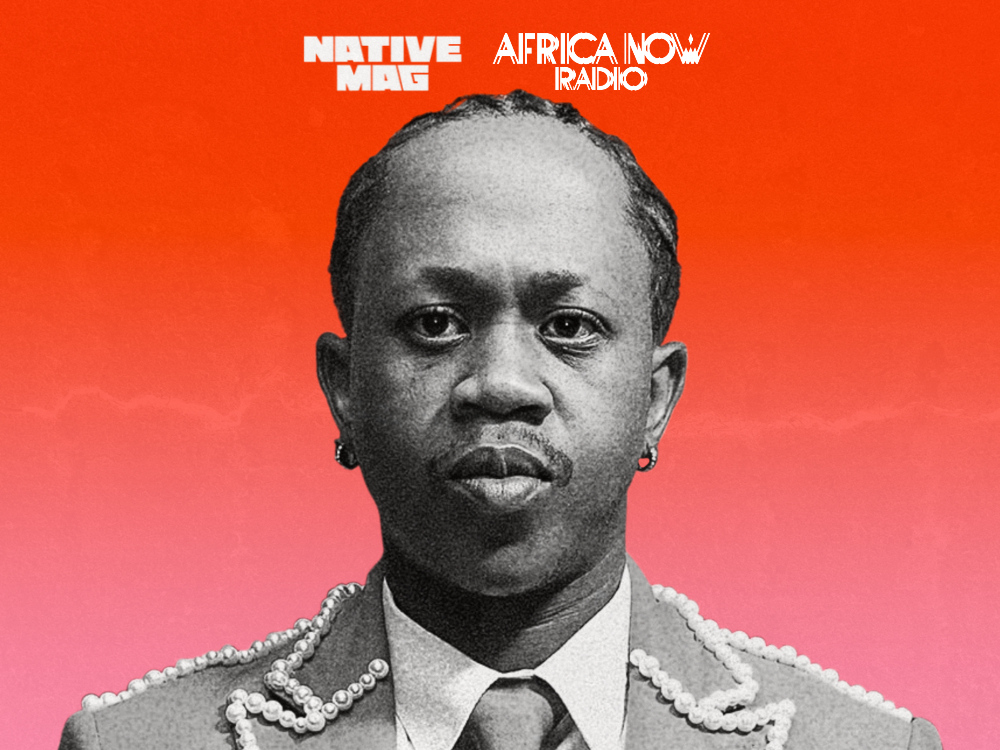
"ASIVUKE" translates to an imperative: "get up and do something." The song functioned as a self-prescribed remedy for the artist’s own fatigue. By channeling his distress into the composition, he managed to create a piece that serves as an anthem for perseverance. For the artist, the song is not just a tracklist entry but a testament to his decision to honor his commitments despite the personal cost. The resulting collaboration with Njelic is considered one of the emotional high points of the record, intended to offer healing and motivation to listeners facing their own struggles.
Visual Identity and Self-Styling
In an era where the visual presentation of an artist is as critical as the audio, Young Stunna has taken an unconventional approach by opting to serve as his own creative director and stylist. For the past four to five years, he has curated his aesthetic for every music video, performance, and public appearance without the assistance of a professional stylist.
This autonomy is not merely a matter of preference but a strategic choice to deepen the connection with his audience. Stunna believes that fans desire a holistic narrative—a "visual story"—that extends beyond the audio track. By changing his "characters" and physical appearance frequently, he aims to provide a more immersive experience, maintaining a sense of mystery while offering glimpses into his evolution. He views this as a vital form of communication, acknowledging that while he cannot share every intimate detail of his private life, the visual presentation provides a necessary medium for fans to understand his creative mindset.
Broader Implications for the Amapiano Genre
The release of Busisiwe arrives at a pivotal moment for Amapiano. As the genre continues to dominate global charts and influence international pop music, the pressure on its leading figures to innovate while maintaining the genre’s authentic roots has never been higher. Stunna’s work suggests a shift toward more introspective, autobiographical storytelling within the genre.
Tracks like "AMANXEBA," which deals with the acceptance of emotional scars, indicate a move toward lyrical maturity. Rather than focusing solely on the high-energy club narratives that propelled the genre to the forefront of global dance music, Stunna is carving out space for the "human" experience—acknowledging pain, navigating uncertainty, and finding strength in the act of surviving.
Fact-Based Analysis: The Market Impact
From a market perspective, Busisiwe serves as a critical stress test for Stunna’s brand longevity. While the 2021 hit "Adiwele" provided the initial momentum, the sophomore album is the industry standard for determining whether an artist can sustain a long-term career. By diversifying his sound and leaning into a deeply personal narrative, Stunna is effectively insulating himself against the fickleness of the music industry.
Industry analysts observe that his ability to self-manage his image, combined with his willingness to collaborate with versatile producers, positions him as a resilient force in the South African entertainment ecosystem. The album’s multi-genre appeal—blending R&B elements, traditional Amapiano, and hip-hop cadences—ensures that it remains relevant across various demographics, from club-goers to those seeking more introspective listening experiences.
Conclusion: A Legacy in Motion
As Busisiwe begins to permeate the global market, its impact is likely to be measured not just by streaming numbers, but by its cultural resonance. The album represents a maturation of an artist who, in just five years, has learned to balance the commercial demands of the music business with the spiritual necessity of personal expression.
By grounding his work in the memory of his great-grandmother and the lessons learned from his own "scars," Young Stunna has created a work that is both uniquely South African and universally applicable. The album stands as a definitive statement that he is not merely a product of a fleeting trend, but a musician whose capacity for reinvention and storytelling ensures his place in the upper echelons of the contemporary music landscape. Whether through the high-energy production of "UMSHINI" or the reflective depths of his album-closing tracks, the message remains clear: the artist is here, he is evolving, and he is determined to remain in control of his own narrative.